


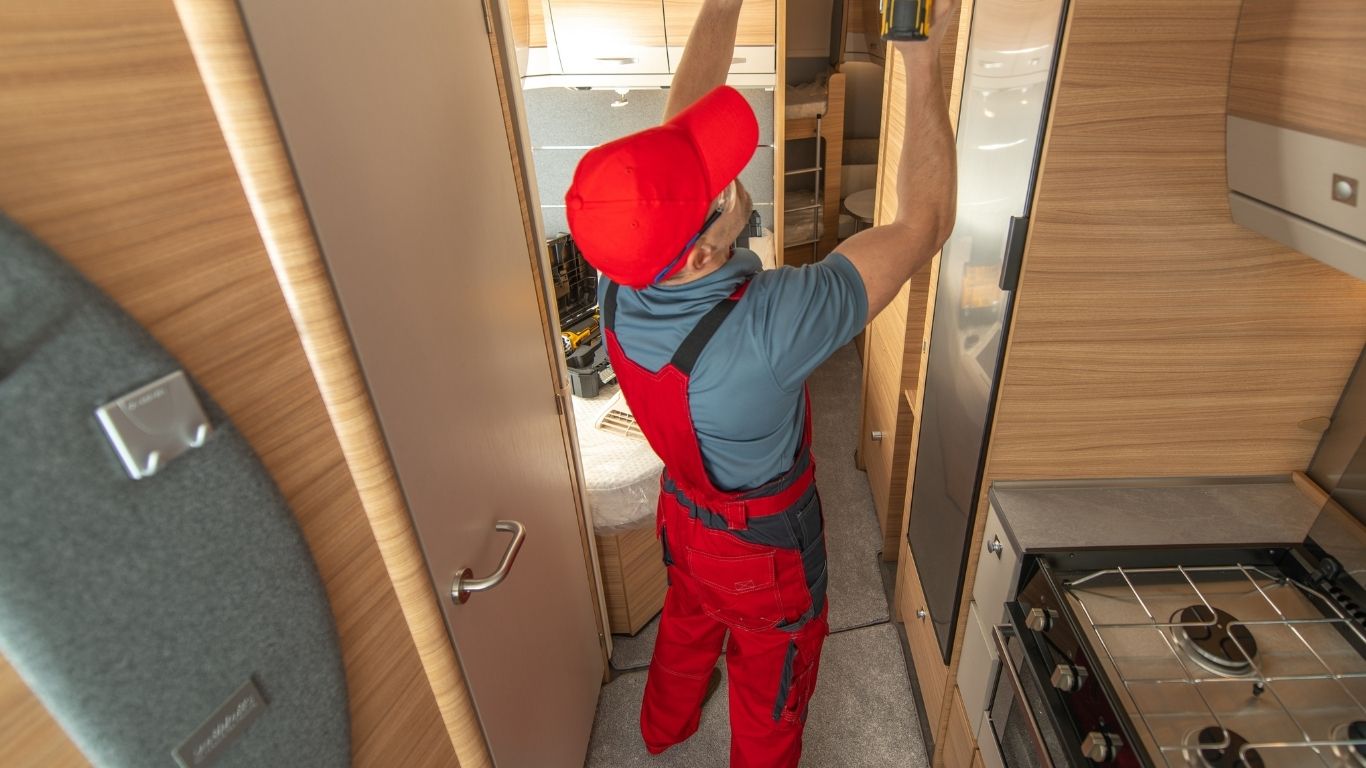
Searching RV Service Near Me usually happens in one of two moments.
Either you’re being smart and planning ahead, or something has started making a noise it definitely did not make yesterday.
Both are valid. One is just a lot less stressful.
If you’re travelling, staying long-term, or setting up your RV on the Sunshine Coast, BC, it helps to know what to check before problems grow. RVs are part vehicle, part home, and part mystery box with wheels. That means maintenance can involve tires, seals, batteries, water lines, propane, appliances, awnings, slide-outs, electrical systems, tanks, and about seventeen things you forgot existed until one of them acts up.
Good times.
The goal of this guide is not to turn you into a certified RV technician. It’s to help you spot common issues, do simple checks, keep a basic tool kit, and know when it’s time to call a pro. Because there’s a big difference between tightening a loose hose connection and deciding you’re suddenly an expert in propane systems. One is sensible. The other is how people end up with eyebrows missing.
On the Sunshine Coast, RV service planning matters because options can be more spread out than in a big city. Halfmoon Bay RV Resort notes that the nearest full-service RV centre is in Gibsons, and that some mobile technicians are available in the area; residents contact and book directly with technicians, not through the resort. The resort also recommends speaking with local RV technicians for winterization services. (halfmoonbayresort.ca)
That makes preparation extra useful. If you’re staying in Halfmoon Bay, BC, you don’t want to wait until a rainy evening to start wondering who handles RV repair Sunshine Coast calls, what parts you need, or whether your issue is urgent.
Reliable maintenance also keeps your trip smoother. Go RVing Canada recommends regular RV exterior care, including washing the exterior after trips so owners can spot scratches, dents, wear, and small problems before they become bigger ones. (gorving.ca) Their spring checklist also suggests checking for water damage, testing safety detectors, inspecting seams, windows, and vents, checking tires, and testing major systems like propane, furnace, refrigerator, air conditioner, electrical system, and wastewater system. (gorving.ca)
That’s the mindset for this article: catch small issues early, know when to get help, and make RV maintenance feel less like panic and more like routine.
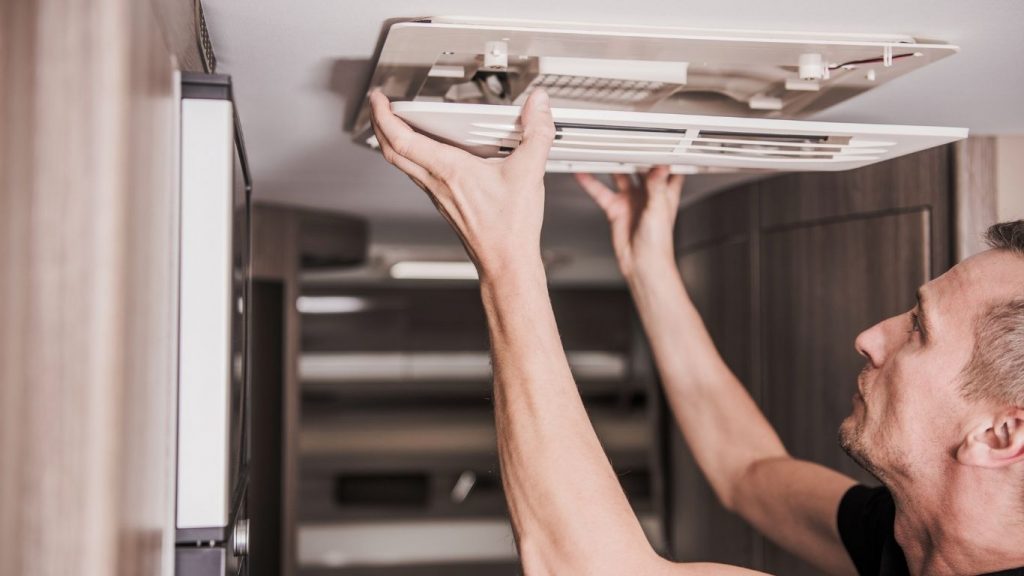
When you search RV Service Near Me on the Sunshine Coast, BC, there’s a good chance the problem is tied to one of the coast’s favourite hobbies: moisture.
Coastal RV life is beautiful, but it is not gentle on rigs. Rain, damp air, salt, cool nights, and long shaded stretches can all work their way into small weak spots. At first, it might look like a little condensation or a tiny seal gap. Leave it too long, and suddenly you’re having a very serious conversation with a soft wall panel.
Not ideal.
Here are the most common RV issues to watch for when staying near Halfmoon Bay, BC or anywhere along the Sunshine Coast.
Water is sneaky. It will find the smallest crack around roof seams, vents, windows, marker lights, and slide-outs. Once it gets in, it can cause stains, soft spots, mould, and expensive repairs.
Check often for:
If you spot water damage, don’t ignore it. This is when RV repair Sunshine Coast help can save you money long-term. A small reseal is much better than replacing damaged interior panels later.
Condensation is a big one for coastal stays. When warm indoor air hits cold windows or walls, moisture builds up. In a small RV, that can happen fast from cooking, showering, breathing, wet clothes, and pets.
Signs of condensation trouble:
Simple fixes help a lot:
This is basic RV maintenance BC stuff, especially if you’re staying through fall or winter. It’s not glamorous, but neither is discovering your closet has turned into a tiny swamp.
Cool, damp weather can make weak batteries show their true colours. If your RV battery is already tired, coastal conditions and long-term use can make it worse.
Watch for:
If you’re staying long-term, check your battery health before it becomes a problem. Keep terminals clean, make sure connections are tight, and know whether your setup is lead-acid, AGM, or lithium.
If anything smells hot, looks swollen, or sparks in a way that makes your soul leave your body, stop and call a pro.
On the Sunshine Coast, heat matters even when it’s not freezing. Damp cold can feel colder than the number on the weather app. If your furnace, propane regulator, or lines are not working properly, your RV can get uncomfortable fast.
Watch for:
Do not play around with propane. If you smell propane or suspect a leak, shut things down, ventilate, leave the area, and call a qualified technician. That is not the time to become “handy.”
Even in milder coastal weather, cold nights can cause problems for exposed hoses and fittings. Long stays can also reveal little leaks under sinks, around pumps, or at the water connection.
Check:
For long-term stays, a heated or insulated water hose can help during colder months. Also keep spare washers and basic fittings on hand. Tiny cheap parts can save a surprisingly annoying day.
RV tires need attention even if you’re parked most of the time. Sitting can be hard on tires, and coastal moisture does not help. Before travel days, check the basics.
Look at:
If you’ve been parked for a while at an RV pad, do a proper walkaround before moving. Nobody wants to discover a tire issue five minutes before catching the ferry.
That is how peaceful people become spicy.
Awnings are useful until wind gets involved. Coastal breezes can pick up fast, and rain can pool if the awning is not angled properly.
Check:
When in doubt, roll it in. A broken awning is an expensive way to learn that wind is undefeated.
Slide-outs are great for extra space, but they need care. Dirt, moisture, and worn seals can cause trouble.
Watch for:
Keep slide seals clean and check them often. If your slide starts moving oddly, don’t force it. That’s a good moment to search RV Service Near Me and get advice before turning a small issue into a big repair.
Tank smells are not rare, but they’re also not something you should just accept as “RV life.” Often, they come from poor venting, dry traps, tank buildup, or valve habits.
Check:
Keep the black tank valve closed until dumping, use enough water, and flush properly. Sewer problems are easier to prevent than fix. Also, nobody wants to be “that site.”
Longer stays can bring smaller daily annoyances too: weak Wi-Fi, power overloads, tripped breakers, or cords and hoses placed where they become trip hazards.
Before settling in fully, test:
A few setup checks early can save you a lot of muttering later.
The main idea is simple: coastal RV life rewards people who check small things early. If something looks damp, loose, cracked, noisy, weak, or weird, deal with it before it becomes a full repair story.
Before searching RV Service Near Me in a mild panic, there are a few simple checks most RV owners can do safely. These are not major repairs. Think of them as “look, test, tighten, clean, and catch problems early” checks.
The goal is to spot small issues before they turn into expensive ones.
If something involves propane, major electrical work, brakes, structural damage, or anything that feels unsafe, stop there and call a qualified technician. Being handy is great. Being too handy near propane is how a normal Tuesday becomes a story nobody wants.
A walkaround sounds basic, but it catches a lot.
Take a slow lap around the RV and check:
Do this after heavy rain too. On the Sunshine Coast, BC, moisture can reveal leaks fast. If a seam, vent, or window looks cracked or loose, it may be time for RV repair Sunshine Coast help before water sneaks inside and starts making itself comfortable.
Inside the RV, look for signs of leaks or condensation trouble.
Check:
Feel for soft spots, damp corners, and musty smells. If anything feels wet and it has no business being wet, do not ignore it.
A small leak is annoying.
A leak left alone is a whole personality.
This is one of the easiest checks and one of the most important.
Test:
Replace batteries when needed and check expiry dates on detectors. Some detectors age out and need replacing, even if they still look fine.
If an alarm goes off and there is any chance it is real, treat it seriously. Ventilate, leave the RV if needed, and get help.
Before moving the RV, especially after a long stay, check the tires.
Look for:
Tires can look fine from a distance and still be trouble up close. If something looks off, get it checked before heading toward the ferry or highway.
A tire issue on a travel day is nobody’s idea of a fun BC adventure.
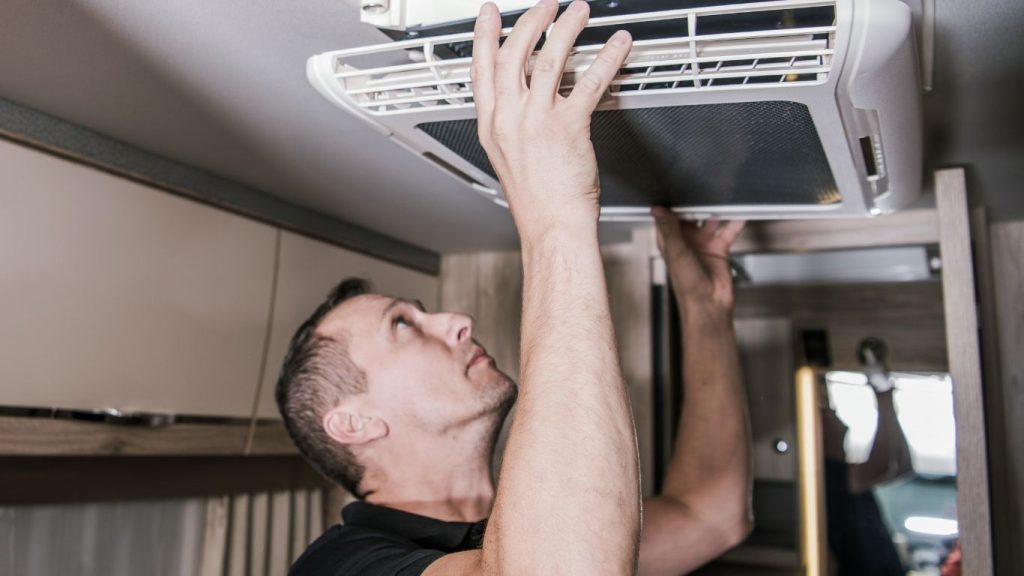
Water and sewer hoses take a beating. They get pulled, bent, stepped on, frozen, warmed up, and dragged around more than anyone wants to admit.
Check:
Keep spare washers and a few basic fittings on hand. They are cheap, small, and weirdly powerful when something starts dripping at the worst possible time.
Some problems are simple. A tripped breaker, loose GFCI outlet, or unplugged connection can make things seem worse than they are.
You can safely check:
If something keeps tripping, smells hot, sparks, or makes buzzing sounds, stop resetting it. That is not “just one more try” territory. That is technician territory.
A surprising number of RV issues come from dirt, leaves, dust, and general outdoor gunk.
Simple cleaning can help:
This is basic RV maintenance BC work, especially in damp coastal weather. Clean and dry beats dirty and suspicious every time.
If something seems odd but not urgent, write it down.
Track:
This helps when talking to a mobile RV repair tech later. Instead of saying “it’s making a weird sound,” there’s a clearer story: when it started, what changed, and what has already been checked.
Technicians love useful details.
They love them more than “it was fine yesterday,” which, to be fair, is also true of many problems.
Simple checks are smart. Risky repairs are not.
Call a professional for:
A good rule: if the problem can hurt people, damage the RV, or get worse fast, call someone qualified.
Searching RV Service Near Me early is better than waiting until the issue becomes urgent, expensive, and deeply annoying.
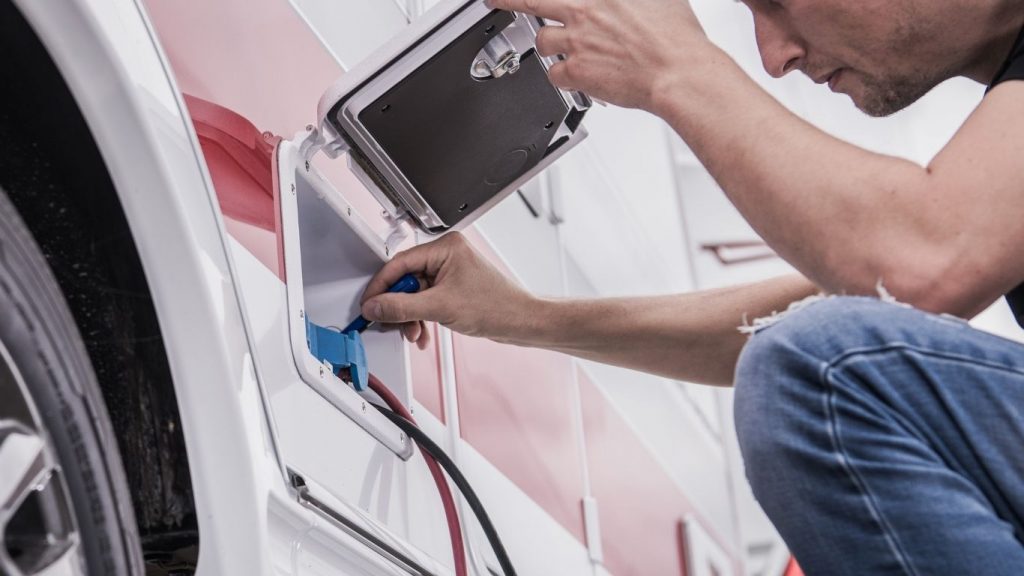
Sometimes searching RV Service Near Me is the smartest move you can make. Not because you can’t handle basic checks, but because some RV problems need proper tools, training, and safety knowledge.
A mobile RV repair tech can be especially helpful on the Sunshine Coast, BC, where moving your rig just to get something looked at may be a hassle. If you’re already set up at your RV pad, mobile service can save time, stress, and the joyless experience of packing everything up for one repair.
Propane is not the place to “see what happens.”
Call a qualified RV technician if you notice:
If you smell propane, shut it off, ventilate, leave the RV if needed, and get help. Do not keep testing it. Do not “just try it once more.” Propane is serious business.
Small resets are fine. Ongoing electrical problems are different.
Get help if you have:
Electrical problems can damage appliances, batteries, and your RV’s wiring. They can also be unsafe. If something smells hot or keeps failing, it’s time for professional RV repair Sunshine Coast support.
Water damage can get expensive fast, especially in coastal BC weather.
Call someone if you notice:
A small leak might be fixable. A hidden leak can quietly cause a mess. If you’re not sure where water is coming from, a technician can help find the source before it spreads.
Slide-outs are handy, but they can be fussy. If your slide is making strange noises, moving unevenly, or not sealing properly, don’t force it.
Call a mobile RV repair tech if:
Forcing a slide can turn one problem into three problems. And three problems cost more than one. Annoying math, but true.
If your RV is a towable or motorhome, travel safety is huge. Don’t guess with brakes, tires, suspension, or lights.
Get professional help if you notice:
If something affects towing or stopping, it needs proper attention before you hit the highway or head toward the ferry.
A problem that keeps returning is not fixed. It is just taking little breaks.
If you reset a breaker, clear a smell, tighten a fitting, or restart an appliance and the issue comes back, that’s a sign something deeper is going on.
This is where RV maintenance BC becomes less about quick fixes and more about protecting your rig long-term.
When you call for RV Service Near Me, give clear details. It helps the technician decide what tools, parts, and time may be needed.
Share:
Photos can help too. Take pictures of leaks, damage, warning lights, panels, hoses, or labels before calling.
If you’re staying at Halfmoon Bay RV Resort, mobile help can be extra handy because your RV may already be set up for a longer stay. Packing everything up just to move the rig can be a pain.
Mobile service can help with:
Just remember: guests contact and book technicians directly. The resort is your base, not the repair desk.
That said, having a stable RV pad makes repairs easier to manage. You’re not trying to solve problems mid-road-trip, mid-ferry-day, or mid-rainstorm with everyone standing around asking if dinner is still happening.
The best time to call a technician is usually before the problem becomes urgent.
Small leak? Ask early.
Weak battery? Check it before travel day.
Furnace acting weird? Deal with it before a cold night.
Slide-out sounding rough? Don’t wait until it refuses to move.
A good RV repair plan keeps your trip calm and your rig healthier.
And honestly, calm is the whole point of staying on the Sunshine Coast, BC.
A good RV tool kit is not about being ready to rebuild the whole rig in a parking lot. It’s about handling small problems before they turn into bigger ones.
When you’re searching RV Service Near Me, sometimes you really do need a technician. But other times, you just need a washer, a screwdriver, a flashlight, or the one adapter you forgot you owned.
For RV maintenance BC trips, especially on the Sunshine Coast, your kit should help with water, power, weather, tires, cleaning, and small repairs.
Start with the simple stuff.
Keep these in your RV:
You do not need a full mechanic’s garage. You just need enough to tighten, adjust, secure, and check small things without borrowing tools from a neighbour you just met 12 minutes ago.
Water connections are famous for acting up at the worst time. A tiny missing washer can cause a leak that makes you question every life choice that led you to that moment.
Keep:
For coastal stays, this is especially handy. Damp weather already brings enough moisture. You do not need your water connection adding its own little fountain feature.
Nobody wants to talk about sewer gear, but everyone appreciates when it works properly.
Keep:
This is not the place to cheap out too much. A good sewer setup keeps things cleaner, easier, and much less dramatic.
And when sewer gear fails, it fails with confidence. Best to avoid that.
Power problems can get expensive fast, so a few basic items help protect your RV.
Keep:
If you are not confident with electrical checks, do not guess. Use the simple tools safely, and call mobile RV repair or a qualified technician when something feels off.
Hot smells, buzzing, sparks, or repeated breaker trips are not “wait and see” problems.
Before any travel day, especially after a longer stay, tires deserve attention.
Keep:
For anyone travelling to or from Halfmoon Bay, BC, this matters before ferry days. You do not want to discover a tire issue while trying to make a sailing. That is not an adventure. That is a stress sandwich.
On the Sunshine Coast, BC, rain and damp air are part of the lifestyle. Your RV tool kit should include a few things for moisture and temporary protection.
Keep:
Important note: emergency patching is not the same as a proper repair. If you find a real leak, call for RV repair Sunshine Coast help before it spreads.
A clean RV is easier to inspect. Dirt hides cracks, leaks, wear, and tiny issues.
Keep:
This kind of simple routine helps you catch problems early. It also keeps your RV from slowly turning into a travelling storage shed with snacks.
Your RV tool kit should include people safety too.
Keep:
If you’re staying longer at Halfmoon Bay RV Resort, keep local service contacts handy too. That way, if something goes sideways, you’re not searching RV Service Near Me while standing in the rain holding a hose fitting like it personally wronged you.
The best tool kit is the one you can actually find when you need it.
Use separate bins for:
Label them if you can. Future you will be grateful.
A good RV tool kit does not replace professional service. It just helps you stay calm, handle small fixes, and explain the problem clearly when it’s time to call a technician.
That’s the sweet spot: prepared, not overconfident.
Being prepared does not mean expecting everything to go sideways. It just means you’ve done enough basic planning that a small RV issue does not wreck the whole stay.
That’s especially helpful when staying on the Sunshine Coast, BC, where damp weather, ferry travel, coastal roads, and longer RV stays can all put extra pressure on your rig.
If you’re searching RV Service Near Me while staying in Halfmoon Bay, BC, the goal is simple: handle the small stuff early, know when to call a technician, and keep your RV comfortable enough that your trip still feels like a trip.
Not a repair marathon with better scenery.
One of the biggest advantages of staying at Halfmoon Bay RV Resort is that your RV can stay settled while you deal with maintenance or small repairs.
That means you can:
For longer stays, that stability matters. It gives you time to notice small problems before they become bigger ones.
Pad options and details:
https://halfmoonbayresort.ca/properties/
The resort FAQ notes that the nearest full-service RV centre is in Gibsons, and some mobile technicians serve the area. Guests book those services directly with technicians.
That means it’s smart to keep your own list of local contacts, especially if you’re staying for a while.
Useful contacts to save:
Do this before something breaks. Searching for help while standing in rain with a flashlight in your mouth is not the relaxed coastal lifestyle anyone ordered.
FAQ:
https://halfmoonbayresort.ca/faq/
If you’re staying long term, make a simple monthly check part of your routine.
Nothing wild. Just a calm little inspection.
Check:
This is basic RV maintenance BC stuff. It helps you catch problems early, especially in coastal weather where dampness can sneak in quietly.
If you’re staying through fall or winter, think ahead.
On the Sunshine Coast, winter is often more about damp cold than deep snow, but that still matters for RV comfort.
Helpful prep includes:
If you’re unsure about winterizing or cold-weather setup, ask a qualified RV technician. The resort FAQ also recommends speaking with local RV technicians for winterization services.
A stable base makes it easier to deal with small issues at the right time.
If your furnace sounds odd, don’t wait until a cold night.
If a window seal looks cracked, don’t wait for a storm.
If the battery seems weak, don’t wait for travel day.
If the slide-out is moving funny, don’t force it.
That’s where mobile RV repair can be useful. A technician may be able to come to you, inspect the issue, and help you avoid packing up your whole RV just for a repair.
Maintenance is less stressful when the rest of daily life still works.
At Halfmoon Bay RV Resort, practical amenities help keep things steady:
These things matter when your RV is parked for more than a short visit. If something needs attention, you still have ways to keep normal routines going.
A tidy RV site is easier to maintain.
Keep hoses, cords, and outdoor items neat so you can spot problems quickly. Watch for trip hazards, standing water, loose fittings, and gear sitting in damp spots too long.
A clean setup helps with:
It also makes your site nicer to live in. Wild concept, but true.
The best RV owners are not the ones who can fix everything. They’re the ones who notice problems early and know when to get help.
That’s the real value of planning ahead before searching RV Service Near Me. You keep your RV safer, your stay calmer, and your coastal trip from turning into a full repair saga.
Prepared does not mean paranoid.
It means your RV is ready, your tool kit is stocked, and you know who to call if something goes sideways.
That is a very good place to be.
 See map of resort