


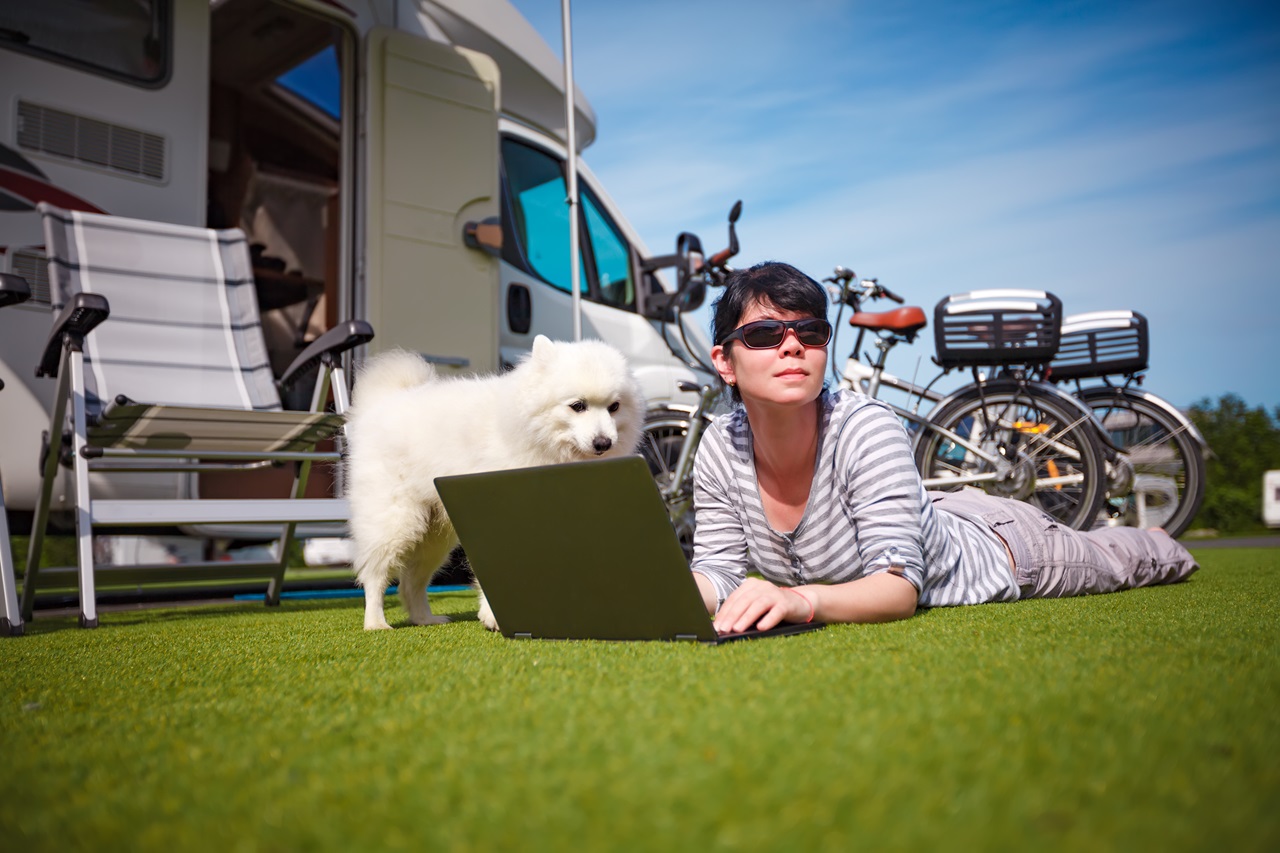
Many places say “pet-friendly”. What you really want is a pet-friendly RV park in Halfmoon Bay living that feels calm on day three, not chaotic.
Because long-term RV life with a dog (or two) isn’t just about whether pets are allowed. It’s about the everyday stuff:
This guide is written for people staying longer on the Sunshine Coast in Canada, close to Halfmoon Bay, who want a simple routine that keeps pets happy and keeps you relaxed too.
By the end, you’ll have:
Leash rules change by place, but the big theme across Canada is simple: dogs are often required to be on lead in parks and protected places. Two official references worth knowing are BC Parks’ pet etiquette guidance and Parks Canada’s leash rule.
And because pets and travel go together in RV life, it’s also worth keeping the basics of safe car setup in mind. The BC SPCA’s road trip tips are a solid, practical reference for things like securing pets and planning breaks.
If you want a quick idea list of relaxed outdoor spots (with parking notes and pet tips), this local guide is a handy companion. Read: Best RV-Friendly Beaches & Forest Walks Near Sechelt (Maps, Parking, Pet Tips).
When you search for a pet-friendly RV park in Halfmoon Bay, you’re not just asking “Are dogs allowed?” You’re really asking, “Can my pet live here without constant stress, and can I keep things peaceful for everyone around me?”
For long stays, “pet-friendly” should mean three things.
A long stay needs easy routines:
If your routine depends on driving somewhere every single day, it gets tiring fast. That’s why having a few nearby walk options matters.
Your Sechelt guide is a great starting point for planning those easy walks with parking notes:
Leash rules can change by location, but the safe default is simple: assume your dog should be on lead unless a place clearly says otherwise.
Two official references that explain the “visit responsibly” idea (and why it matters for wildlife, other visitors, and safety):
If you follow that rule, you avoid most awkward moments.
On the Sunshine Coast, rain is normal. For pet owners, that means mud, wet coats, wet paws, and damp towels.
A truly pet-friendly long stay is one where you can keep the RV dry and clean without it feeling like a full-time job.
The big secret is a simple “door routine”:
If your dog comes in wet and shakes in the middle of the RV, everything gets damp fast. Contain the wet at the door and the whole space stays nicer.
Long stays work best when everyone feels comfortable. Even a lovely dog can become a problem if:
So a pet-friendly place should make it easy to do the respectful basics:
If you’re arriving by ferry or doing a longer drive, safe travel setup matters. The BC SPCA’s practical tips on pet travel are a helpful public reference for secure transport and planning breaks:
The first week is when your pet decides if this new place feels safe or scary. If you’re aiming for a pet-friendly RV park in Halfmoon Bay living that stays calm long-term, your goal in week one is boring routines.
Boring is good. Boring means your dog stops scanning for threats, stops barking at every sound, and starts relaxing.
Here’s a simple first-week plan you can follow without turning life into a strict schedule.
Before you do a big exploration, set up one calm spot that belongs to your pet.
If your pet is anxious, start smaller. A calm dog settles faster than an over-excited dog.
Dogs feel safe when the world is predictable.
This repetition teaches your dog, “This place is normal. We do the same things here.”
This is the day people often overdo it.
Do:
Avoid:
Door excitement is a top cause of stress in shared spaces.
Practice 2–3 times during the day:
This one habit reduces lunging, barking, and awkward moments with neighbours.
Rain happens. If your dog only gets exercise on sunny days, you’ll both feel trapped.
Create a short “rain plan”:
It’s not about perfect exercise. It’s about keeping your dog’s brain calm and busy.
If you plan to go out (even for groceries), teach your dog that leaving is normal.
Start small:
If your dog panics when you leave, don’t jump to long absences. Tiny reps work better.
By day seven, you’ll notice patterns:
Use what you learned:
That’s how a pet-friendly RV park in Halfmoon Bay life becomes easy.
When you’re planning a pet-friendly RV park in Halfmoon Bay life, leash rules are one of the easiest ways to keep everything calm. They protect wildlife, protect others, and protect your dog too.
Even if you’ve got the friendliest dog in the world, not everyone wants a surprise greeting. And some dogs get nervous when another dog runs at them. Keeping your dog on lead in shared places stops most problems before they start.
Assume your dog should be on lead unless a place clearly says off-lead is allowed.
That “default lead” habit works well across the Sunshine Coast and most of Canada, especially in parks and protected areas.
Two official references worth knowing:
Leash rules aren’t about being mean. They’re about avoiding common problems:
When you follow lead rules, your dog gets more freedom overall because you can take them to more places without worry.
These habits keep pet-friendly RV park in Halfmoon Bay living smooth, especially when lots of visitors are around:
1) Give space on narrow paths
Step slightly aside, shorten the lead, and let others pass. It looks small, but it makes people feel safe.
2) Don’t let your dog greet without asking
Even if your dog loves everyone, some people don’t. A quick “Is it okay if they say hello?” avoids awkward moments.
3) Keep the lead short in busy areas
Busy places are where dogs get overwhelmed and reactive. A shorter lead gives your dog clearer guidance.
4) Clean up every time
This one is non-negotiable. It keeps the place pleasant and keeps pet-friendly rules from getting stricter.
On coastal trails and beach areas, wildlife can show up when you don’t expect it. A lead stops your dog from taking off after something, and it reduces stress for animals too. That’s a big part of BC Parks’ “visit responsibly” approach.
Read the guidance here: Responsible recreation
If your dog pulls or reacts, these two basics help a lot:
“Stop and reset”
“Treat for calm”
You’re not trying to train a competition dog. You’re just building a calm walking pattern that makes daily life easier.
For a pet-friendly RV park in Halfmoon Bay living, the best walks are the ones you’ll actually do on a rainy Tuesday, not just the “big adventure” routes. You want a mix of:
If you pick these three, you’re covered for most weeks:
1) The quick loop
This is your “before breakfast” walk and your “late-night last call” walk.
Your dog learns the area fast, and you don’t have to think.
2) The sniff walk
A slightly longer walk where your dog can sniff a lot (sniffing is calming).
This is great for dogs that get wound up.
3) The rainy-day walk
A route that stays usable when it’s wet.
Rainy-day routes stop cabin fever for both.
This is the best “one page” resource on your site for choosing walk spots with parking notes and pet tips:
It’s handy because it helps you choose walks that won’t turn into a parking fight when you’ve got a bigger vehicle.
These small habits keep pet-friendly RV park in Halfmoon Bay days smooth:
Go early on weekends
Busy trails can feel stressful for dogs that are reactive or easily excited. Early mornings are calmer and easier.
Use a “space-first” mindset
If a path is narrow and you see another dog coming, step aside early and let them pass. It stops barking and pulling.
Choose a “turnaround point”
If your dog is overwhelmed, turn back before it becomes a meltdown. Short calm walks beat long stressful ones.
Bring the right lead setup
A standard lead is easier for control than a long loose line on busy paths. If you use a longer line, save it for quiet places.
This is how you stop your RV turning into a wet towel during a pet-friendly RV park in Halfmoon Bay stay:
Consistency makes it easy.
On days when the weather is awful, you can still tire your dog out without a massive muddy walk:
Mental work often calms dogs more than a longer wet walk.
Rain is just part of Sunshine Coast life. If you want a pet-friendly RV park in Halfmoon Bay to feel easy, you need a rainy-day routine that keeps wet paws and wet coats from spreading through your whole RV.
The goal is not “no mud ever”. The goal is “wet stays in one place, dries faster, and doesn’t stink”.
Zone 1: The door zone (wet stays here)
This is where you stop the mess before it starts.
Rule: your dog doesn’t go past this zone until paws are wiped.
Zone 2: The drying zone (wet gear dries here)
Pick one spot that has airflow:
Rule: coats, towels, and wet leads dry here, not on the sofa.
Zone 3: The calm zone (dog chills here)
This is where your pet settles after coming in.
Rule: after the walk, your dog goes to the calm zone, not straight into zoomies.
Do this every time you come in from rain. It becomes automatic after a few days.
This routine is the difference between “normal life” and “why is everything damp again?” in a pet-friendly RV park in Halfmoon Bay.
Wet dog smell gets worse when damp towels sit around.
Rainy days don’t need long walks to keep your dog happy. Short and calm often works better.
Try this mix:
Mental work is a huge win on wet days. It tires dogs out without turning your RV into a swamp.
Keep a small “rain kit” in the car:
That way you can do a quick wipe-down before your dog even steps into the RV. It’s a small move that keeps your whole space cleaner.
Dogs often bark more when they’re under-walked or wound up.
On rainy weeks, aim for:
This routine keeps a pet-friendly RV park in Halfmoon Bay living peaceful for you and your neighbours.
Travel day can be the hardest part of a pet-friendly RV park in Halfmoon Bay life, not because it’s dangerous, but because it’s noisy, busy, and full of waiting. Dogs pick up that energy quickly.
The goal is to keep your pet calm, comfortable, and secure from the moment you leave to the moment you’re parked.
If you’re using the ferry, build your plan around two realities:
Before you go, check the official pet guidance so you know what’s allowed and what the routine is for foot passengers vs vehicle passengers: BC Ferries travel information.
1) Walk before you queue
Do a short lead walk and let your dog sniff for a few minutes before you join the lineup. Sniffing is calming.
2) Keep water simple
Offer a small amount of water before you board, not loads. Too much water can lead to stress if your dog needs a toilet break at the worst moment.
3) Bring a “settle” item
A chew, a lick mat, or a favourite blanket can help your dog switch off once you’re parked.
4) Don’t force greetings
Terminals are full of dogs and people. Keep your dog close, keep space, and let calm be the priority.
A dog loose in the car is a risk to them and you. On sudden braking, even a small dog becomes heavy fast.
A simple safe setup is:
The key is that your dog can’t launch forward if you have to brake suddenly.
Dogs often bark in queues because they’re bored, overstimulated, or watching every car door open.
Use this simple pattern:
If your dog is anxious, don’t wait until they’re already barking. Start the calm routine early.
Even on cooler days, vehicles warm up quickly when they’re sitting still.
Keep this in the car where you can grab it fast:
This kit stops you rummaging through bags while your dog gets more stressed.
A pet-friendly RV park in Halfmoon Bay stays best when your dog feels calm and your neighbours barely notice you have a pet. That’s not about being strict. It’s about avoiding the handful of behaviours that cause complaints and stress.
1) Barking when you leave
This is the number one issue on long stays. Dogs bark because they’re anxious, bored, or they hear people walking past and think they need to “guard” the RV.
The fix is a simple routine:
If your dog panics, don’t jump to “hours alone”. Tiny steps work better.
2) Rushing up to people or other dogs
Even friendly dogs can scare people when they run fast.
Easy habits that keep things calm:
If your dog reacts, give more distance. Space fixes most problems.
3) Mess left behind
This one is simple: always pick up. Every time. No excuses. It keeps pet-friendly rules from getting stricter for everyone.
Even if you don’t know exact quiet hours, act like they exist:
If your dog barks at sounds outside, use a simple strategy:
Most dogs bark for one of three reasons:
Try this plan for pet-friendly RV park in Halfmoon Bay living:
These are the habits neighbours notice (in a good way):
If your dog ever slips a lead or bolts, tags matter.
If you’re staying in the Sechelt area, this is a useful official reference for dog licences and local expectations:
You don’t want to be making ID plans after something goes wrong. Do it early and you relax.
If you want a pet-friendly RV park in Halfmoon Bay life to feel relaxed, handle the boring admin early. When dogs get lost, it happens fast. And when it happens, the difference between a quick reunion and a long, stressful night is usually: ID.
Every dog should have:
Your tag should include:
Tip: don’t put your full address on the tag if you’re moving around. A phone number is usually enough.
Local licence rules can vary. If you’re around Sechelt while staying near Halfmoon Bay, this official page shows how dog licensing works and what the district expects:
Even if you’re only there for part of the year, it’s still worth knowing the local system so you don’t get caught out.
The safest “no drama” habit is still:
Two official references that explain the general “be responsible” approach:
For a long stay, keep these saved in your phone:
You’re not expecting a problem. You’re removing panic if one happens.
This is the “if you have these, life is easier” list.
Daily basics
Rain and mud helpers
Comfort and calm
Travel-day kit (keep in the car)
For travel safety tips that focus on securing pets and planning breaks, the BC SPCA’s guidance is a solid reference:
If you want pet-friendly RV park in Halfmoon Bay living to feel easy, keep it simple:
For official leash-and-responsibility guidance, these are solid references:
If you’re thinking seriously about a pet-friendly RV park in Halfmoon Bay stay, don’t guess. Check the pet rules, look at a real pad example, then message with your pet details (number of pets, size, and your stay dates).
Read the pet rules and stay details: FAQ
View a real pad example:Hudson Bay
Ask about availability and what’s included: Contact
 See map of resort