


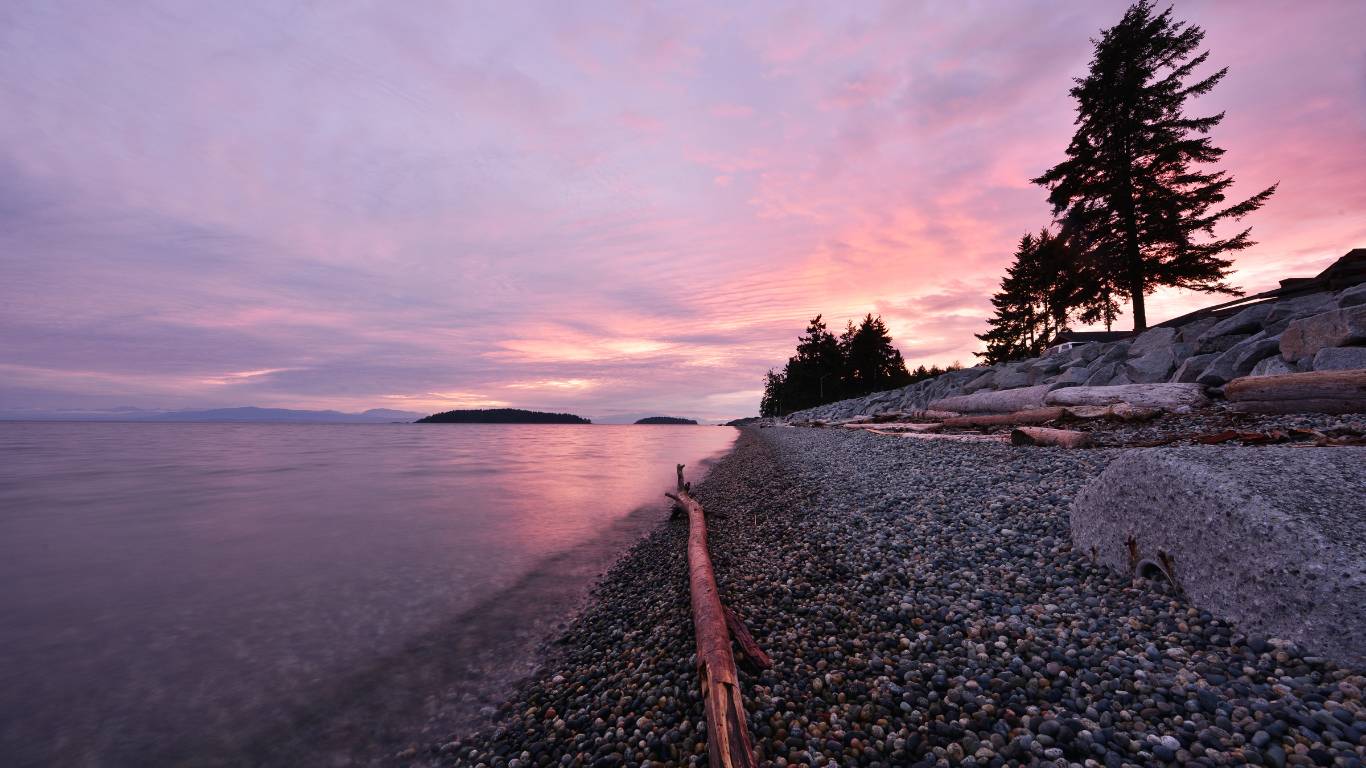
Finding the right Halfmoon Bay campground is about more than choosing somewhere to park your RV. You’re choosing the mood of the whole trip.
Do you want crowded roads, packed campsites, and a daily battle for the last decent picnic table? Or would you rather wake up near quiet forests, take an easy drive to the coast, and enjoy a slower corner of Sunshine Coast, BC where nobody seems desperate to race through the day?
That second option is what Halfmoon Bay camping does best.
Halfmoon Bay, BC sits on the lower Sunshine Coast, close enough to Sechelt for groceries, food, fuel, and everyday supplies, but quiet enough to feel like you’ve properly escaped. Sunshine Coast Tourism highlights the Halfmoon Bay and Secret Cove area for its coastline, beach access, hiking, kayaking, fishing, and swimming opportunities.
It’s a brilliant mix for RV travellers. You get outdoor space and coastal scenery without needing to camp far from useful services. That means fewer “we forgot coffee” emergencies and more time doing what you came for.
A proper Sunshine Coast camping trip can include beach walks, forest trails, lake visits, quiet drives, local takeout, and slow evenings back at your site. You don’t need to cram six attractions into one afternoon or wake up before sunrise unless your dog has already made that decision for everyone.
The area also feels different from busy camping destinations closer to major highways and cities. Travel to the Sunshine Coast includes the ferry from Horseshoe Bay to Langdale, which creates a natural break between city life and coastal time. Once you’re off the ferry, the pace begins to settle down.
Very west coast. Very Canadian. Very “maybe we’ll stay an extra night.”
For travellers who want a serviced Halfmoon Bay campground rather than a basic overnight stop, Halfmoon Bay RV Resort provides a year-round base just off the Sunshine Coast Highway. The resort is about 20 minutes from Sechelt and 40 minutes from the Langdale ferry terminal, set on 20 acres of forest in Halfmoon Bay, BC.
That location makes it easier to park once and explore slowly. Instead of packing up the RV every morning, you can keep your site settled, head out by car for beaches and local stops, then return to a familiar base in the evening.
The resort’s amenities include serviced RV pads, water, sewer, multiple electrical options, Wi-Fi, a 24-hour laundromat, walking areas, and pet-friendly facilities.
Those comforts matter more than people expect, especially during longer stays. A good camping base should let you enjoy the outdoors without making normal life difficult. You should be able to explore during the day, wash the beach towels, walk the dog, make dinner, and relax without turning every basic task into a wilderness challenge.
This guide covers what to expect from Halfmoon Bay camping, how it compares with other Sunshine Coast campgrounds, what to pack, how to plan your ferry trip, which amenities matter, and why this part of BC works so well for travellers who prefer calm coastal days over crowded camping chaos.
Because camping should feel like a break.
Not like moving house with a sewer hose.
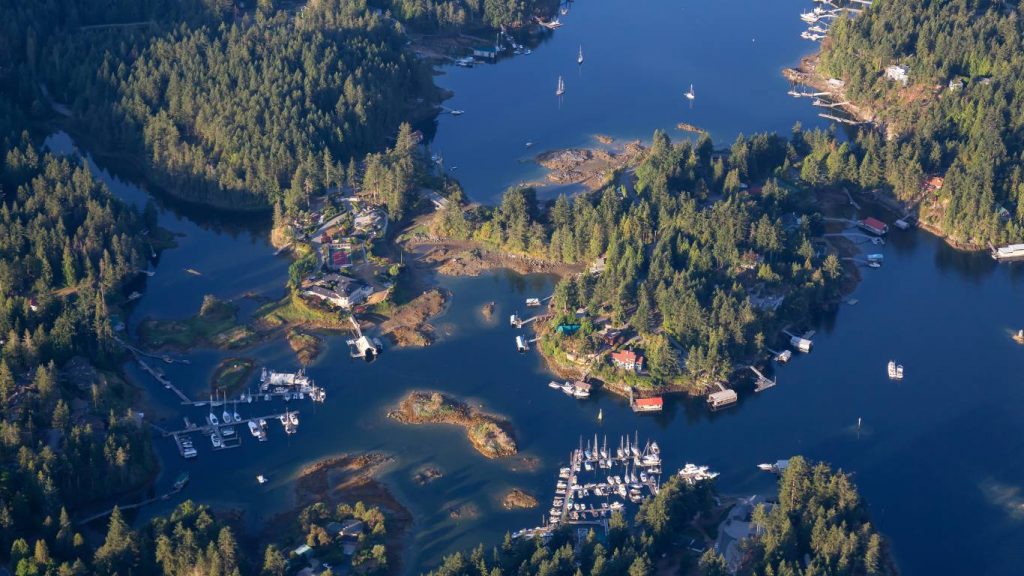
Halfmoon Bay camping offers something that can be hard to find in busier parts of BC: a calm coastal base that still keeps everyday services within easy reach.
The area feels quiet without feeling cut off.
You can spend the morning near the water, stop in Sechelt for groceries or lunch, explore a forest trail in the afternoon, and return to your RV before dinner. There is no need to choose between peaceful surroundings and practical convenience.
That balance is what makes a Halfmoon Bay campground such a strong option for RV travellers.
Popular camping areas near major cities can feel busy before the trip has even started. There may be traffic, crowded beaches, full car parks, and campsites packed close together.
Halfmoon Bay, BC has a slower feel.
The coastline is made up of small bays, rocky beaches, forested roads, and quiet residential pockets. Rather than one huge attraction pulling everyone into the same place, the area gives travellers several smaller places to explore at their own pace.
That makes Halfmoon Bay camping a good fit for people who prefer:
It feels like a proper break, not a race to see how many places can be squeezed into one weekend.
The ocean shapes almost everything about camping on the Sunshine Coast.
Even when your campsite is not directly on the beach, the water is never far from the experience. Coastal viewpoints, small coves, beaches, marinas, and launch areas are spread throughout the region.
A typical Sunshine Coast camping day might include:
That last activity is highly recommended.
Travellers should remember that many Sunshine Coast beaches are rocky rather than sandy. Water shoes, sturdy sandals, and a folding chair can make beach stops much more comfortable.
The water can also stay cold, even when the sun is out. A sunny afternoon does not automatically turn the Pacific into a warm swimming pool. Pack an extra towel and use good judgement before swimming.
One of the best things about Halfmoon Bay camping is the mix of forest and ocean scenery.
You are not limited to beach days. The area also works well for walkers, hikers, cyclists, photographers, and travellers who simply enjoy being around large trees.
This combination keeps the trip interesting. One day can be spent near the water. The next can include a woodland walk, a lake visit, or a relaxed drive through the surrounding communities.
It also helps when the weather changes.
If the coast is windy, a sheltered forest walk may still be comfortable. If a trail is muddy, a scenic drive or café stop can save the afternoon. Sunshine Coast camping works best when the plan stays flexible.
The weather does not always read the itinerary.
Some camping destinations are built around constant activity. Halfmoon Bay, BC is better for travellers who want space to slow down.
That does not mean there is nothing to do. It means there is no pressure to do everything at once.
A relaxed trip might include one main outing each day, followed by an easy evening at the campground. This is especially helpful for:
A comfortable Halfmoon Bay campground lets the area become part of daily life instead of something that must be explored in a hurry.
There is time for a second coffee. There is time to take the long way back. There is time to stop because the view looks good.
That is the whole point.
A remote campground can sound lovely until someone needs groceries, medication, propane, pet food, or an RV part.
Camping in Halfmoon Bay gives travellers access to quieter surroundings while keeping Sechelt within a manageable drive.
That means guests can use the town for:
This is a major advantage for longer stays. You can enjoy the quieter side of the Sunshine Coast without packing the RV like you are heading into the Yukon for six months.
The type of campground also matters.
A basic campsite can work well for a short weekend. But a serviced Halfmoon Bay campground is usually easier for families, larger RVs, remote workers, and long-stay travellers.
At Halfmoon Bay RV Resort, guests can settle into a serviced pad and use the resort as a home base while exploring the coast.
That setup means less time worrying about:
Instead, the rig stays parked while local trips can be made by car.
It is a simple arrangement, but it makes Halfmoon Bay camping feel much more relaxed.
The biggest difference is the overall mood.
Sunshine Coast campgrounds should help travellers enjoy the landscape, not distract from it. The best stays combine trees, coast, quiet evenings, useful services, and easy access to local communities.
Halfmoon Bay, BC delivers that mix naturally.
It is peaceful but not isolated. Coastal but still practical. Relaxed without being boring.
And for many travellers, that is exactly what a camping trip should be.
Choosing the right Halfmoon Bay campground starts with one simple question: what kind of stay are you actually planning?
A two-night weekend has very different needs from a month-long RV stay. A couple travelling light may care most about peace and scenery. A family might need laundry, reliable power, easy food stops, and enough room for everyone to avoid getting on each other’s last nerve.
The best campground is not always the cheapest or the closest to the water. It is the one that fits your RV, your travel style, and the amount of comfort you want.
Trip length should guide almost every booking decision.
For a short Halfmoon Bay camping trip, basic services may be enough. You may only need a safe site, power, water access, and somewhere quiet to sleep.
For a longer stay, small inconveniences become daily problems.
Long-stay travellers should check for:
A campground that works well for three nights may feel frustrating after three weeks.
That is why it helps to think beyond the arrival day. Picture an ordinary Tuesday at the campground. Where will you do laundry? How far is the grocery shop? Can the dog get enough exercise? Is the internet good enough for work or school?
The answers matter more than a fancy photo of a campfire.
Not every RV pad fits every rig.
Before booking a Halfmoon Bay campground, check the site length, width, access route, turning space, and electrical connection.
Useful questions include:
This is especially important for fifth wheels, motorhomes, longer travel trailers, and RVs with multiple slide-outs.
Arriving after a ferry trip only to discover the site is too tight is not a charming start to Sunshine Coast camping.
Measure the full setup before travelling. That includes the RV, hitch, tow vehicle, bike rack, rear storage, and anything else sticking out further than expected.
The word “serviced” can mean different things at different Sunshine Coast campgrounds.
One campground may offer electricity only. Another may provide water, sewer, and several power options directly at the pad.
Ask exactly what is included.
Check:
At Halfmoon Bay RV Resort, serviced pads support a more settled RV stay, with water, sewer, Wi-Fi, and several electrical options available depending on the site.
Available properties and pad details can be reviewed here:
https://halfmoonbayresort.ca/properties/
For longer stays, full services can save a surprising amount of time. Nobody comes to the coast hoping to spend the trip monitoring holding tanks like a nervous laboratory assistant.
A campground may look peaceful, but the wider location still matters.
When comparing Sunshine Coast campgrounds, check the driving time to:
A remote location can be lovely, but it may not suit every traveller.
Halfmoon Bay, BC offers a useful middle ground. It feels quieter than larger town areas while keeping Sechelt within reach for everyday needs.
That makes it easier to enjoy coastal calm without needing to pack enough supplies for a remote expedition.
A campground being “pet-friendly” does not always mean it will be convenient for pets.
Check:
For dog owners, walking space matters almost as much as the RV pad.
Halfmoon Bay RV Resort includes two off-leash pet parks, helping dogs burn off energy without every walk becoming a full coastal expedition.
That can make longer Halfmoon Bay camping stays much easier for both pets and their people.
Every campground has its own personality.
Some are lively and social. Others are calm and better suited to long stays, remote work, families, or travellers who prefer quieter evenings.
Neither is wrong. Problems happen when expectations do not match.
Before booking, look for clear information about:
A peaceful campground can be a major part of the holiday, especially after a full day exploring the Sunshine Coast.
There is a big difference between enjoying evening birdsong and listening to someone test a portable speaker at full volume beside the sewer connection.
Any honest guide to Sunshine Coast camping should mention rain.
The coast is green for a reason.
A good campground setup should still work when the weather turns damp. Look for solid drainage, stable roads, reliable power, clean laundry facilities, and enough room to manage wet gear.
For longer stays, useful wet-weather features include:
It also helps to choose a base close enough to shops, cafés, and indoor stops for days when the weather refuses to cooperate.
Rain does not have to ruin the trip. It just changes the plan.
Campground rules are not the fun part of planning, but they can prevent surprises.
Check cancellation terms, arrival times, departure times, guest limits, vehicle rules, age restrictions, pet policies, and what can be stored outside the RV.
For longer bookings, ask about:
Clear rules usually mean clearer expectations for everyone.
Questions about staying at Halfmoon Bay RV Resort can be checked here:
https://halfmoonbayresort.ca/faq/
A good Halfmoon Bay campground should make the rest of the holiday easier.
It should give travellers a comfortable place to return to after visiting beaches, lakes, trails, shops, and coastal communities. It should fit the RV properly, support daily routines, and remove unnecessary stress.
That is the real test.
The view may help you choose a destination.
The services, location, and campground setup determine whether you enjoy staying there.
A good Halfmoon Bay campground gives you more than somewhere to park. It gives you a base for beaches, lakes, forest trails, picnic stops, paddling, and easy drives around the lower Sunshine Coast.
Halfmoon Bay and Secret Cove sit on the traditional territory of the shíshálh Nation. The area is known for coastal access, hiking, kayaking, fishing, and swimming, with outdoor stops spread across several smaller parks and communities.
That spread-out layout is part of the charm. You do not need to join one huge crowd or follow a packed sightseeing schedule.
Choose one main outing, bring snacks, and leave enough time to stop somewhere that looks interesting.
That is Halfmoon Bay camping at its best.
Smuggler Cove Marine Park is one of the best-known outdoor stops near Halfmoon Bay and Secret Cove.
The park can be reached from Brooks Road, off Highway 101. From the parking area, it is a four-kilometre hike to Smuggler Cove. The park offers hiking, swimming, kayaking, and canoeing, although there are no lifeguards on duty.
The route passes through forest and wetter coastal terrain before reaching ocean views. It is a solid choice for travellers who want a proper walk without committing to a full-day mountain expedition.
Bring:
Sections of a coastal trail can stay damp even when the campsite feels dry. Trainers with no tread may turn the walk into an unwanted balance competition.
Dog owners should also plan carefully. BC Parks requires pets to stay on a leash and does not allow them in beach areas or park buildings at Smuggler Cove.
Check current park notices before leaving your Halfmoon Bay campground, especially after storms or periods of heavy rain.
Sargeant Bay Provincial Park is a good fit when nobody in the group wants a complicated plan.
The day-use park includes a rocky beachfront, wetland and lagoon areas, shallow water, and access to nearby hiking and cycling trails.
It works well for:
Pack water shoes because the beach is rocky. A folding chair or thick picnic blanket also helps if sitting on uneven ground does not sound like a relaxing holiday activity.
Check tide conditions before exploring the shoreline. Rocks can be slippery, and routes that look simple at low tide may change as the water rises.
Sargeant Bay is particularly handy for a flexible Sunshine camping day. Stay for an hour, stay for an afternoon, or pair it with a grocery or lunch stop in Sechelt.
There is no need to turn every beach visit into an endurance event.
Ocean water can be chilly, even during a sunny BC summer.
Trout Lake gives campers a freshwater option close to the Halfmoon Bay area. It is used for swimming, fishing, kayaking, paddleboarding, and lakeside picnics. The site also has an outhouse, a viewing platform, and a short wheelchair-accessible path leading to the fishing platform.
This makes it a useful stop for:
There is not a huge sandy beach setup, so arrive ready for a more natural lakeside visit rather than a full resort-style beach day.
Anyone planning to fish needs the correct recreational freshwater fishing licence. Gas-powered boats are not permitted on the lake.
Bring your own safety equipment for paddling. That includes a properly fitted personal flotation device, even when the lake looks calm enough to host a rubber duck convention.
Welcome Woods and Connor Park offer extensive hiking and biking trails through Halfmoon Bay.
Connor Park also has a sports field, baseball diamonds, a playground, washrooms, and a bike skills area.
That mix makes the area useful for families with different energy levels.
One person can head onto the trails. Another can stay near the playground. Children can run around without every family outing needing a complicated drive or a backpack full of survival gear.
Before heading out:
Mountain bike routes can vary in difficulty, so do not assume every trail is suitable for beginners. A nice-looking forest entrance can become technical fairly quickly.
For campground guests travelling with bikes, this is a good reason to keep the RV settled and use a smaller vehicle for local outings.
Homesite Creek is a 45-acre recreation site in Halfmoon Bay with forest trails, scenic waterfalls, and links to a wider trail network.
The trails are open year-round. Dogs are welcome but must stay on a leash. The official directions also note that the trailhead beside Highway 101 can be difficult to spot, so it helps to review the route before leaving.
This is a good outing for travellers who enjoy quieter walks.
Pack:
Waterfalls can look especially good after wet weather, but the same rain can make roots, slopes, and rocks slippery.
Take your time. A holiday photo is rarely improved by reaching the viewpoint with one muddy knee and a missing shoe.
Coopers Green Park is a practical waterfront stop for families and groups.
It has a large grassed and treed picnic area, a swimming beach, washrooms, a sandy volleyball court, a barbecue pit, and a public recreational boat launch. There is also designated parking for vehicles and trailers using the launch.
This is one of the easiest places to build a low-effort afternoon.
Bring lunch, sit near the water, let the children move around, and enjoy the view without needing hiking poles or a detailed route plan.
Boaters should review current launch rules and load limits before arrival. Parking a large trailer is much easier when you know where you are going before turning into the park.
Coopers Green is also a useful choice when the group cannot agree on one activity. Some people can picnic, others can swim, and one ambitious person can suggest beach volleyball before quietly changing their mind.
Not every Halfmoon Bay camping day needs hiking boots.
Sunshine Coast Tourism recommends exploring local studios and galleries through the Purple Banner Guide. Some studios are open only by appointment, so check details before making a special drive.
You can also create a relaxed local day with:
This is especially useful when the weather is mixed.
Cloudy mornings, sunny afternoons, and sudden showers are all normal reasons to keep a Sunshine camping plan loose. Pick a few possible stops rather than forcing the whole group through a minute-by-minute schedule.
The coast is more enjoyable when there is room to change your mind.
One of the biggest advantages of choosing a serviced Halfmoon Bay campground is being able to set up once.
After connecting the power, water, and sewer, leave the RV settled while using a smaller vehicle for beaches, lakes, trails, and food stops.
This saves time and makes it easier to:
Before leaving for the day, close windows if rain is possible, secure outdoor gear, check food storage, and make sure pets are safe and comfortable.
Bring rubbish back with you when bins are unavailable or full. Follow posted park rules, stay on marked trails, and leave plants, shells, rocks, and wildlife where they belong.
You do not need to visit every nearby park to have a good trip.
A simple three-day plan could look like this:
Day one: Settle into the campground, buy groceries, and take a short coastal walk.
Day two: Hike Smuggler Cove or Homesite Creek, followed by a quiet evening at the RV.
Day three: Swim at Trout Lake or picnic at Coopers Green before visiting Sechelt.
That is plenty.
The best Halfmoon Bay campground trips leave room for slow mornings, changing weather, tired children, excited dogs, and the occasional decision to do absolutely nothing.
After all, the goal of Halfmoon Bay camping is not to return home needing another holiday.
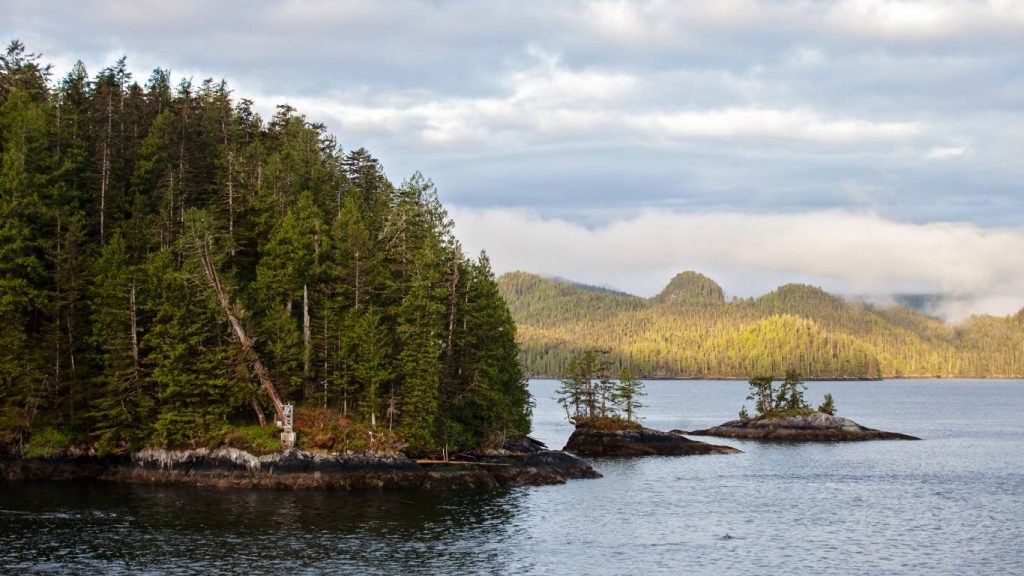
For many travellers, the ferry is the real beginning of Halfmoon Bay camping.
One minute, you’re dealing with Metro Vancouver traffic. The next, you’re watching forested hills and coastal water slide past the ferry windows while somebody announces that holiday mode has officially started.
A little planning makes the crossing much easier, especially when travelling with a motorhome, trailer, fifth wheel, children, pets, bikes, or enough camping gear to open a small outdoor shop.
Travellers arriving from Metro Vancouver normally use the BC Ferries route from Vancouver’s Horseshoe Bay terminal to the Sunshine Coast’s Langdale terminal.
This is the correct route for reaching the lower Sunshine Coast communities of Gibsons, Roberts Creek, Sechelt, and Halfmoon Bay.
From Langdale, drivers follow Highway 101 north through the Sunshine Coast. Halfmoon Bay RV Resort is located at 9423 Stephens Way, about 40 minutes from the Langdale ferry terminal and two minutes off the Sunshine Coast Highway.
Do not accidentally book the Horseshoe Bay to Nanaimo route. Both leave from the same general terminal, but Nanaimo is on Vancouver Island, which is a very different camping trip.
Lovely place. Wrong ferry.
BC Ferries describes the Horseshoe Bay–Langdale connection as one of its busiest routes and strongly recommends booking ahead. Midweek, early-morning, and later-evening sailings may be less busy when popular reservation times are unavailable.
Booking is particularly helpful for:
A booking secures space for the vehicle on the chosen sailing, provided the traveller arrives during the correct check-in window. Vehicles without a booking are generally loaded according to their order of arrival and available deck space.
BC Ferries may still offer drive-up space when online reservations show as sold out. However, that space is not guaranteed, so check current conditions before deciding to travel without a booking.
For a relaxed Sunshine Coast camping trip, knowing which ferry you are taking is much nicer than joining a vehicle queue and hoping for the best.
Hope is useful.
A confirmed booking is better.
When booking, measure the full vehicle combination rather than guessing.
BC Ferries considers vehicles over seven feet, or 2.13 metres, high to be over-height. Vehicles longer than 20 feet, or 6.10 metres, are treated as oversized. Vehicle size can affect the fare and the deck where the rig is placed.
For an RV or towing setup, include:
Check the full height too, including:
Do not enter the length printed on the trailer brochure and forget about the truck attached to it. The ferry needs the whole setup, not the optimistic version.
Correct measurements help BC Ferries plan deck space and reduce surprises at check-in.
For booked travel from Horseshoe Bay to Langdale, vehicle check-in opens 60 minutes before departure and closes 30 minutes before departure. Travellers arriving after the booking window closes may lose the protection of their reservation.
Aim to reach the terminal near the beginning of that window, particularly when towing a trailer or driving a larger motorhome.
Extra time helps with:
Do not plan an arrival that depends on every traffic light being green.
Metro Vancouver traffic enjoys humbling confident people.
Before leaving home, check:
BC Ferries provides live route conditions, terminal cameras, ferry tracking, schedules, and service notices online.
Complete basic checks before joining the ferry queue.
Once the rig is boxed in by other vehicles, it becomes harder to stop and reorganise everything.
Before arrival:
Keep tickets, phones, wallets, medication, pet supplies, and children’s essentials inside the passenger area rather than buried in an exterior storage compartment.
A small ferry bag can hold:
BC Ferries advises that passengers may only remain in a vehicle during the crossing when that vehicle is placed on an upper vehicle deck, due to Transport Canada regulations. Follow the crew’s instructions after parking.
The ferry can feel strange to pets. There are vehicle noises, unfamiliar smells, other animals, and a lot of people moving around.
Before reaching the terminal:
Check the current BC Ferries pet rules before travelling because approved pet areas and access arrangements can depend on the vessel.
After arriving at your Halfmoon Bay campground, a quiet walk can help everyone settle after the journey. That includes the dog, the children, and whichever adult did the towing.
There is no need to view the ferry as an annoying obstacle between home and the campground.
It is part of the Sunshine camping experience.
Once safely parked and directed by the crew, enjoy the crossing. Grab a drink, stretch your legs where permitted, take in the coastal views, and let the pace of the trip slow down.
Avoid planning a long list of activities immediately after arrival.
Ferry schedules, loading, traffic, and tired passengers can make travel days unpredictable. A better arrival plan is:
Nobody needs to tackle a forest hike 20 minutes after reversing a travel trailer into a new pad.
After leaving Langdale, the drive follows Highway 101 through Gibsons, Roberts Creek, Sechelt, and towards Halfmoon Bay.
The resort recommends using GPS or a reliable mapping service for directions to 9423 Stephens Way.
The road is paved, but RV drivers should still allow extra space and time.
Expect:
Avoid rushing to make a campground check-in time. Contact the resort if a ferry delay changes the planned arrival.
DriveBC provides road-condition information and highway cameras that can help travellers check for closures, construction, or major delays before leaving Langdale.
Travellers who need a major grocery run may find it easier to stop in Gibsons or Sechelt before completing the drive to the Halfmoon Bay campground.
Useful arrival-day supplies include:
Check the campground’s fire rules before buying firewood or planning a campfire. Seasonal restrictions can change, and not every site or campground permits fires.
Keep the first meal simple.
Travel day is not the ideal moment to test a five-pan campsite recipe that requires perfect timing and emotional resilience.
Before boarding the ferry, confirm:
The Halfmoon Bay RV Resort FAQ confirms the resort address and provides directions, local attraction information, and answers to common stay questions.
Keep a screenshot of the arrival details in case mobile service becomes unreliable.
For a large RV, it also helps to review the site layout in advance. Knowing where to turn is much better than discovering the correct lane after the rig has already passed it.
Do not wait until the final night of Halfmoon Bay camping to think about the journey home.
Check the return schedule from Langdale to Horseshoe Bay and consider booking the preferred sailing ahead. Booked vehicle check-in at Langdale opens 60 minutes before departure and closes 30 minutes before departure. Without a booking, travel is based on arrival order and available space.
Leave enough time to:
Some sailings may show that reservations are sold out while still offering a limited amount of drive-up space. Check current conditions on the travel day rather than assuming the terminal is full or empty.
A smooth ferry plan sets the tone for the whole trip.
Book early. Enter the right RV size. Arrive during the correct window. Pack a small ferry bag. Check current conditions. Give yourself enough time for the drive from Langdale.
Then settle into the Halfmoon Bay campground without trying to complete the entire Sunshine Coast bucket list before supper.
The ferry gets you to the coast.
A calm arrival lets you start enjoying it.
Packing for Halfmoon Bay camping is mostly about being ready for changing coastal weather.
A morning can start cool and misty, turn sunny by lunch, then finish with a breeze off the water. That does not mean bringing your entire wardrobe. It means packing useful layers, waterproof gear, and a few items that make beaches, trails, and RV life much easier.
The right kit lets you enjoy the trip without making an emergency shopping run every time the clouds roll in.
The Sunshine Coast earns its name, but rain still shows up when it feels like it.
Bring clothing that can be added or removed throughout the day:
A compact umbrella can help around town, but a proper rain jacket is usually more practical on trails and beaches. Coastal wind has a talent for turning umbrellas inside out at the least dignified moment.
Keep one dry outfit inside the RV for the evening. Wet clothes feel far less adventurous after sunset.
Footwear matters more than people expect during Halfmoon Bay camping.
Many local beaches are rocky, while forest trails may include roots, mud, loose ground, and slippery sections. One pair of casual shoes may not cover everything.
Useful options include:
Choose shoes with proper grip for trails and coastal rocks. Smooth soles and wet roots are not good mates.
Let muddy footwear dry outside when conditions allow, but bring it under cover before rain. A washable boot tray near the RV entrance helps keep sand, soil, and pine needles from spreading through the whole rig.
A Halfmoon Bay campground makes a handy base for beach days, but the local coastline may look different from a classic sandy holiday beach.
Pack:
A folding chair is especially useful on rocky shorelines. Sitting directly on uneven stones can turn a peaceful view into a detailed study of lower-back discomfort.
Check tides and posted warnings before exploring. Keep children close near the water, and do not assume calm-looking ocean water is warm or easy to swim in.
You do not need expedition gear for every local walk, but a small day bag helps.
Include:
Download directions before leaving the campground. Mobile reception can vary in forested areas, and a screenshot uses much less battery than repeatedly refreshing a map.
Tell someone where you are going on longer walks. Stay on marked routes, follow posted closures, and turn back when weather, daylight, or trail conditions change.
The trail will still be there tomorrow.
Before arriving at your Halfmoon Bay campground, make sure your RV equipment matches the booked site.
Bring:
Inspect hoses and cables before leaving home. A tiny crack is much easier to replace before the ferry journey than after connecting at the campground.
Keep water and sewer equipment in separate storage bins. Label them clearly. There are several areas of RV life where guessing is acceptable.
This is not one of them.
Coastal camping often means managing moisture inside the RV.
Useful items include:
Open roof vents when safe and appropriate, use extractor fans while cooking or showering, and wipe condensation from windows.
Avoid drying large amounts of wet clothing inside a closed RV without ventilation. Moisture can build up quickly in a small space.
The 24-hour laundromat at Halfmoon Bay RV Resort also makes it easier to deal with wet towels, muddy clothes, and pet blankets during longer stays.
Ferry and driving days can be tiring, particularly when towing.
Pack an easy first dinner so nobody needs to start chopping 14 ingredients immediately after levelling the RV.
Good arrival-day options include:
Also pack basic kitchen supplies:
Check fire restrictions before planning open-flame cooking or campfires. Keep cooking equipment away from dry vegetation, and never leave it unattended.
The Sunshine Coast is home to wildlife, so food storage matters.
Keep food, rubbish, pet food, coolers, and strongly scented items securely stored. Do not leave meals, dirty dishes, or rubbish outside overnight.
Follow all posted campground and park rules for wildlife safety.
A clean site protects animals as well as guests. Wildlife that learns to associate campsites with food can become a danger to itself and others.
It also helps to clean barbecue grease and food scraps promptly. The goal is to enjoy nature, not send it a dinner invitation.
Pet-friendly Halfmoon Bay camping is much easier when the dog has its own travel kit.
Bring:
Add an ID tag with a current phone number. A recent photo of the pet is also useful when travelling.
Keep dogs leashed unless using a clearly marked off-leash area. Not every beach, trail, or park allows pets in every section, so check signs before heading out.
At Halfmoon Bay RV Resort, two off-leash pet parks give dogs a practical place to exercise near the campground.
Which is helpful when your dog wakes up ready to complete a full day’s activities before you have made coffee.
Families do not need to bring every toy in the house. A few versatile items are usually enough.
Consider:
Bring more spare clothing than seems sensible. Children have a special ability to find the only muddy patch within 200 metres.
Keep snacks easy to reach during ferry and driving days. A hungry passenger can turn a scenic coastal journey into a formal complaint process surprisingly quickly.
Forest and lakeside areas can have mosquitoes, flies, and other insects, especially in warmer weather.
Pack:
Sun protection also matters on cloudy days and near the water.
Bring sun cream, hats, sunglasses, and plenty of drinking water. Reapply sun cream after swimming or heavy activity.
Clouds are not a force field.
Every RV should have a simple emergency setup.
Include:
Check smoke, propane, and carbon monoxide detectors before the trip. Replace expired batteries and inspect the fire extinguisher according to its instructions.
For serious RV repairs, electrical faults, propane concerns, or structural problems, contact a qualified technician rather than relying on a campsite fix.
Duct tape is useful.
It is not a licensed tradesperson.
Keep one small bag inside the passenger area during the ferry crossing.
Pack:
Do not bury these items in an exterior RV compartment. Once vehicles are parked closely together, reaching outside storage may be difficult or restricted.
A well-packed ferry bag keeps the crossing simple and lets you enjoy the view rather than searching through cupboards.
It is easy to treat RV storage like a challenge to fill every empty space.
Resist the urge.
Extra weight affects handling, braking, fuel use, and the amount of clutter inside the RV. Pack items that solve a real problem or support a planned activity.
Before leaving, ask:
You do not need six outdoor chairs for two people.
Unless the chairs are planning their own holiday.
The evening before departure, confirm the essentials:
Then check the RV itself:
A calm final check is much easier than remembering an important item halfway to Horseshoe Bay.
Packing well does not mean preparing for every possible disaster.
It means bringing the right basics so Halfmoon Bay camping stays comfortable when the sun shines, the rain arrives, the beach is rocky, or someone steps directly into a puddle five minutes after changing their socks.
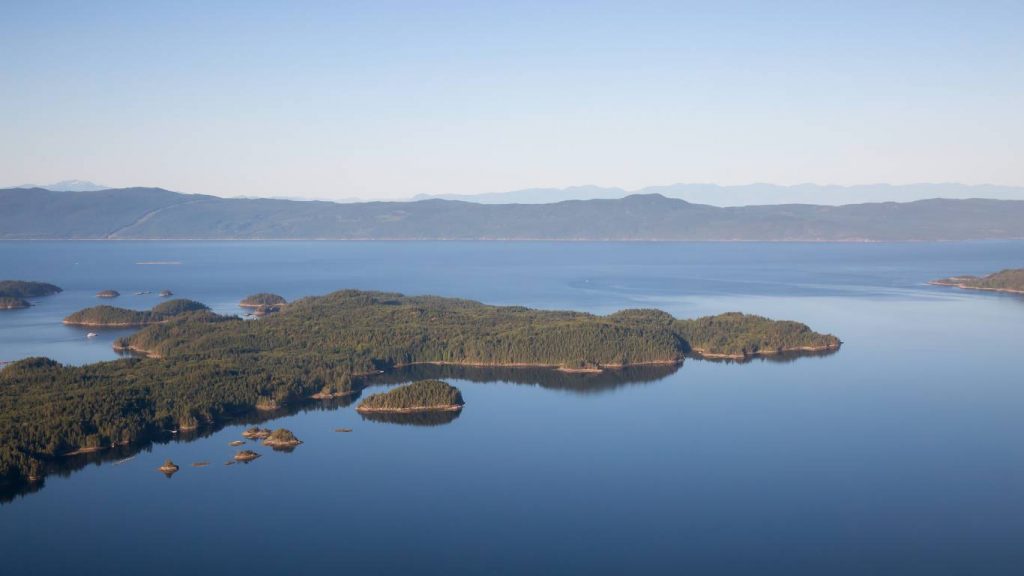
The best time for Halfmoon Bay camping depends on what you want from the trip.
Summer brings long days, warm weather, and plenty of time near the water. Spring and fall offer quieter roads, fewer visitors, and comfortable conditions for walking and exploring. Winter is wetter, but it can suit prepared RV travellers who want a peaceful year-round base.
There is no single perfect month for every camper.
The trick is choosing the season that matches your RV setup, planned activities, budget, and tolerance for rain. On the coast, being ready for a little weather is part of the deal.
July and August are the natural picks for travellers who picture their trip with beach towels, paddleboards, picnic lunches, and long evenings outside.
Sunshine Coast Tourism describes summer as generally warm and dry, with daytime highs sometimes reaching about 30°C. Even then, rain is still possible and evenings can feel cooler, so light layers remain useful.
Summer Sunshine Coast camping is well suited to:
It is also the busiest period.
That means ferry sailings, popular parks, parking areas, and campgrounds may be more crowded. Booking the ferry and your Halfmoon Bay campground early can remove a lot of travel-day uncertainty.
Summer travellers should still pack a fleece or light jacket. Sunshine beside the RV does not guarantee a warm breeze beside the ocean.
The Pacific likes to keep everyone humble.
A summer day may begin cool, warm up by midday, and cool down again after sunset.
Pack:
Keep pets comfortable during warmer afternoons. Provide shade and water, avoid leaving animals in parked vehicles, and plan longer walks for the cooler parts of the day.
Dry summer weather can also increase wildfire risk. Before lighting any permitted campfire or using outdoor equipment that may create sparks, check the campground’s rules and current provincial restrictions. The BC Wildfire Service publishes active fire prohibitions and activity restrictions online.
A fire ring is not permission by itself.
Current rules always win.
Spring is one of the best times for travellers who want peaceful Halfmoon Bay camping without the full summer rush.
Sunshine Coast Tourism notes that spring and fall often bring mild weather, sunny days, fewer crowds, and less traffic than peak summer. Campsites may also be easier to find during these shoulder seasons.
Spring works particularly well for:
The landscape tends to feel fresh and green, while creeks and waterfalls may have stronger flows after winter rain.
Expect mixed weather. One afternoon might feel warm enough for a picnic, while the next morning calls for a rain jacket and hot coffee.
Sometimes both happen before lunch.
Spring campers should focus on layers and moisture control.
Bring:
Check walking routes before setting off. Forest trails can remain muddy, and wooden sections, roots, and rocks may be slippery after rain.
Spring is also a smart time to inspect the RV’s seals, roof, awning, water system, tires, and batteries. A winter of sitting still can reveal a few surprises once the rig starts travelling again.
Better to find the loose fitting in the driveway than halfway through ferry check-in.
September can be a sweet spot for Sunshine Coast camping.
Summer crowds begin to ease, but there may still be pleasant days for beaches, paddling, hiking, and outdoor meals. By October, conditions usually feel cooler and wetter, so travellers should be ready to move more activities indoors.
Fall camping is a good choice for:
The changing season also gives local forests a different feel. Mornings may be crisp, beaches quieter, and popular stops less hectic.
This is a great time to plan one main outing per day rather than building a packed schedule. Leave room for weather changes and slow afternoons back at your Halfmoon Bay campground.
Daylight starts disappearing earlier in fall, so begin hikes with enough time to return safely.
Carry:
At the RV, secure awnings and loose outdoor items when wind is expected. Keep leaves and debris away from steps, drains, hoses, and electrical connections.
Fallen leaves are lovely in photos.
They are less lovely when hiding a slippery step.
Winter camping on the Sunshine Coast is not the same as a summer holiday with an extra jumper.
It requires a properly prepared RV and a site that operates through the colder months.
Sunshine Coast Tourism says lower-elevation winter daytime temperatures commonly sit between about 2°C and 10°C, with regular rain from November through March. The wetter conditions keep the region green and can make waterfalls more impressive.
Winter can appeal to travellers who want:
Halfmoon Bay RV Resort operates year-round and offers fully serviced RV living, but guests remain responsible for preparing their own RV for winter conditions and arranging qualified winterization help where needed.
Before committing to a winter stay, check:
Coastal winter is often about dampness, rain, and wind rather than constant deep snow. That can still create serious comfort and maintenance problems if moisture is ignored.
Use ventilation when cooking or showering. Wipe condensation from windows. Check under mattresses, inside cupboards, and around exterior walls.
An RV can look perfectly dry while quietly collecting enough moisture to start its own indoor weather system.
Electrical, propane, structural, and major plumbing work should be handled by qualified professionals.
Summer ferry travel often needs earlier booking because more holiday traffic is moving between Metro Vancouver and the Sunshine Coast.
During spring, fall, and winter, ferries may feel quieter, but weather and service changes can still affect a travel day. Check the current schedule and route conditions before leaving home.
In every season:
A slower season does not mean the ferry will personally wait because someone stopped for coffee in West Vancouver.
Choose summer for:
Choose spring for:
Choose fall for:
Choose winter for:
For the classic holiday experience, book your Halfmoon Bay campground for late spring through early fall.
For lighter traffic and a quieter setting, consider May, June, September, or early October. Sunshine Coast Tourism specifically recommends spring and fall for milder conditions and fewer crowds.
For winter, choose a fully serviced year-round site and prepare the RV properly before arriving.
Whatever month you pick, check the short-term Halfmoon Bay forecast before travelling. Conditions can vary from the broad seasonal pattern, and Environment and Climate Change Canada publishes current forecasts and weather warnings for the community.
The best season is the one that suits the trip you actually want.
Warm beach days are grand. Quiet rainy mornings can be pretty good too, especially when the RV is dry, the kettle is on, and nobody needs to be anywhere.
The right Halfmoon Bay campground should do more than give you a place to sleep. It should make it easier to explore the coast, manage everyday RV life, and relax without planning every hour around water tanks, laundry, or the next supply run.
That is where Halfmoon Bay RV Resort fits into a Sunshine Coast camping trip.
The resort combines a forested setting with serviced RV pads and access to nearby beaches, lakes, trails, shops, and local communities. Instead of moving the RV every day, guests can set up once and use a smaller vehicle for local outings.
Less packing. Less levelling. Far less muttering at the sewer hose.
Location is one of the resort’s strongest advantages.
Halfmoon Bay RV Resort is located at 9423 Stephens Way in Halfmoon Bay, BC. The resort’s FAQ places it about 45 minutes from the Langdale ferry terminal by way of the Sunshine Coast Highway. It is also within reach of Sechelt for groceries, pharmacies, restaurants, fuel, and other everyday needs.
That position makes the resort a useful base for exploring in both directions.
To the south, guests can visit:
To the north, possible day trips include:
The resort’s FAQ describes the location as being near the middle of the Sunshine Coast, with access to attractions stretching from Langdale towards Earl’s Cove.
That means fewer days spent driving the same long route back and forth.
It also means you can choose outings based on weather and energy. Head south for shopping and lunch. Drive north for lakes and coastal scenery. Stay close to Halfmoon Bay when everyone wants a slower day.
Moving a large RV is rarely the easiest way to visit beaches, trailheads, cafés, and small coastal parks.
Parking may be limited. Roads can be narrow. Some entrances are easy to miss. Repacking the entire site before every outing also gets old quickly.
A serviced Halfmoon Bay campground lets you leave the RV connected while heading out in a car or tow vehicle.
That makes day trips simpler because you can:
It also gives you a proper place to return to after a long day.
There is something deeply satisfying about coming back from a muddy forest walk and finding the RV exactly where you left it.
The resort currently lists electricity, potable water, sewer, cable-ready service, Wi-Fi in select areas, trash disposal, Canada Post service, a laundromat, and storage rooms among its facilities. It also notes that guests who need dedicated internet for work may arrange their own service through available providers.
These services matter during any stay, but they become much more valuable after the first few days.
A serviced pad can reduce the amount of time spent:
That does not make the trip less outdoorsy.
It simply keeps routine jobs from taking over the holiday.
For current pad details, check the resort’s available properties and RV sites.
Any honest guide to Halfmoon Bay camping needs to leave room for rain.
The coast can deliver beautiful sunny days, but damp weather is part of the forest-and-ocean setting. A serviced base helps the trip continue when a beach picnic suddenly becomes a rain-jacket event.
At the resort, guests can return to power, water, sewer service, Wi-Fi in designated areas, and laundry facilities rather than trying to manage wet clothing at a basic campsite.
That makes it easier to:
Rainy days can still be good days.
Sometimes the best plan is a short walk, clean laundry, hot food, and a film while the weather sorts itself out.
Travelling with a dog changes how a campground works.
A beautiful site is not much use when there is nowhere practical for a morning walk or when every outing requires loading the pet into the vehicle.
Halfmoon Bay RV Resort promotes pet-friendly space, including two off-leash pet parks, which can make regular exercise easier during a longer stay. The resort’s recent RV travel content also highlights those pet areas as part of its serviced setup.
Guests should still check current pet rules before booking, including:
Outside the resort, park rules vary. Some beaches and trails allow leashed dogs, while others restrict pets from specific areas.
A quick check before leaving can prevent an awkward arrival with an excited dog and a large “no pets” sign.
Halfmoon Bay and Secret Cove are known for coastal access, paddling, swimming, hiking, fishing, and mountain biking. Nearby options include Coopers Green Park, Sargeant Bay, Trout Lake, Smuggler Cove, Welcome Woods, and other recreation areas across the lower Sunshine Coast.
The resort works well as a base because guests can build different kinds of days without changing accommodation.
One day might include:
Another might be:
Both count as proper Sunshine camping.
There is no rule saying every day must end with sore feet and 237 photos of the same viewpoint.
Not every guest is taking a short holiday.
Some RV travellers stay for weeks or months. Others work online while moving around BC. For those visitors, a campground needs to support ordinary weekday life as well as weekend exploring.
Halfmoon Bay RV Resort says Wi-Fi is available in select areas and explains that residents who require dedicated service for work can arrange private internet through providers such as Telus, satellite services, or Starlink.
Remote workers should ask before booking:
The resort also offers Canada Post support for residents, with mail delivered through a central box and redistributed to individual RV pads.
That is a small detail for a weekend.
For a long stay, it can be a very useful one.
A relaxing campground is not only about trees and views.
It also depends on how people share the space.
The resort describes its community approach as being based on mutual respect, safety, security, and compatibility between residents. New residents may complete an interview with management before receiving a space.
That structure may appeal to guests looking for:
It may not suit someone looking for a loud party campground or a packed entertainment schedule.
That is worth knowing before booking.
The best Halfmoon Bay campground is the one whose atmosphere matches the kind of trip you want.
Site availability, rates, Wi-Fi coverage, electrical service, guest policies, and longer-stay requirements can change.
Before confirming a booking, ask the resort about:
The resort asks guests with special requirements to contact management in advance so the team can discuss what may be possible. Short-term check-in is listed as 3:00 p.m., with checkout at noon, though guests should confirm current details when reserving.
More common questions are covered on the resort’s FAQ page.
The strongest reason to choose Halfmoon Bay RV Resort is not one individual amenity.
It is how the location and services work together.
You can keep the RV connected, explore in a smaller vehicle, deal with laundry after a wet day, take the dog out without planning a road trip, reach Sechelt for supplies, and choose day trips in either direction along the coast.
The campground supports the trip without becoming the whole trip.
That is exactly what a good Halfmoon Bay campground should do.
It gives you a comfortable place to land, then lets the Sunshine Coast handle the rest.
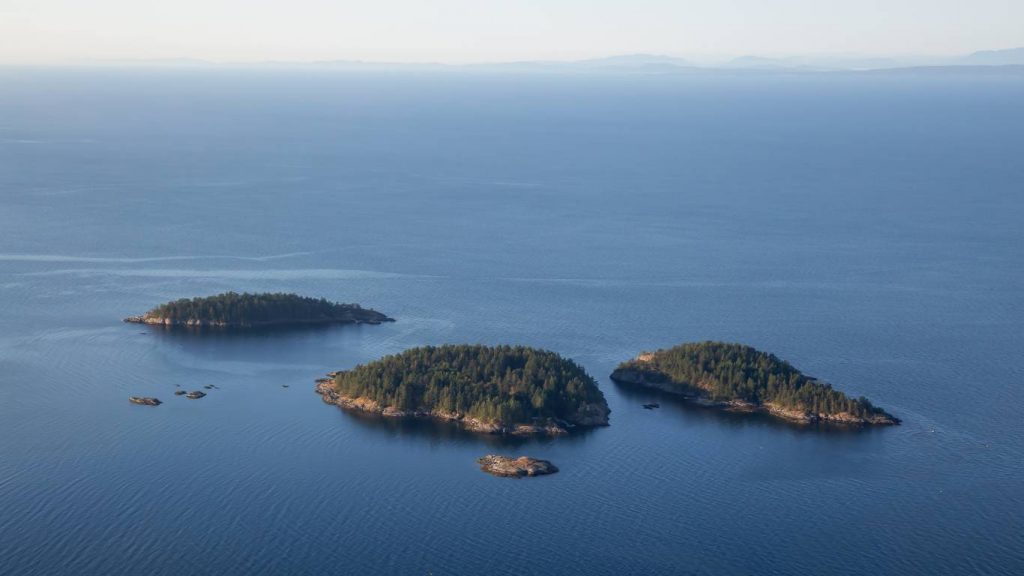
Yes. Halfmoon Bay camping works well for travellers who want quiet coastal scenery, forest walks, beaches, lakes, and easy access to everyday services in Sechelt.
The area feels peaceful without being completely remote. RV travellers can stay in Halfmoon Bay and take day trips to nearby parks, waterfront areas, trails, and communities along the lower Sunshine Coast.
Halfmoon Bay, BC is on the lower Sunshine Coast of British Columbia, north of Sechelt.
Travellers arriving from Metro Vancouver normally take the BC Ferries route from Horseshoe Bay to Langdale, then drive north along Highway 101 through Gibsons, Roberts Creek, and Sechelt.
Do not confuse it with similarly named places outside Canada. This guide covers Halfmoon Bay on the Sunshine Coast in British Columbia.
The usual route is:
Travellers with RVs or trailers should book the ferry early, enter the full vehicle length and height correctly, and arrive within the required check-in window.
Yes. Halfmoon Bay is a coastal community with access to small bays, rocky beaches, marinas, waterfront parks, and ocean viewpoints.
Not every Halfmoon Bay campground sits directly on the beach, so check the exact location before booking. A serviced inland base can still be a practical option because local beaches and coastal stops are within driving distance.
Many beaches around Halfmoon Bay and the Sunshine Coast are rocky, pebbled, or mixed rather than wide and sandy.
Water shoes, sturdy sandals, folding chairs, and a thick picnic blanket can make beach visits more comfortable. Visitors should also check tide conditions and take care on wet rocks.
Popular activities include:
Nearby outdoor areas include Smuggler Cove, Sargeant Bay, Trout Lake, Welcome Woods, Connor Park, Homesite Creek, and Coopers Green Park.
Yes. It can be a good choice for families who prefer a calm base with simple outdoor activities rather than a packed entertainment schedule.
Families should look for a campground with:
A flexible plan usually works best. One beach, lake, or trail outing per day leaves enough time for meals, rest, and unexpected weather.
Many Sunshine Coast campgrounds accept pets, but rules vary.
Before booking, ask about:
Rules also change between parks, beaches, and trails. Some places welcome leashed dogs, while others restrict pets from beach areas or specific routes.
Late spring through early fall is the most popular period for Sunshine Coast camping.
Summer is best for beach days, paddling, swimming, and long evenings outside. Spring and fall are usually quieter and can be excellent for walking, photography, waterfalls, and relaxed day trips.
Winter can suit properly prepared RV travellers using a year-round serviced site, but rain, moisture, wind, and colder nights require more planning.
It can rain in any season.
The Sunshine Coast often has dry, pleasant summer weather, but coastal conditions can change quickly. Spring, fall, and winter are generally wetter.
Bring a waterproof jacket, sturdy shoes, extra socks, warm layers, and a simple plan for drying clothing inside the RV.
A rainy day does not have to spoil the trip. It may simply become a laundry, café, scenic-drive, or quiet-RV day.
Advance booking is recommended, especially for summer, long weekends, larger RVs, and longer stays.
Booking early also gives travellers more time to confirm:
The ferry should also be booked early when possible, particularly for larger vehicles and fixed travel dates.
For a comfortable RV stay, look for:
Long-stay travellers should also ask whether utilities are included, metered, or charged separately.
The word “serviced” can mean different things at different campgrounds, so confirm exactly what is available at the selected site.
It can be, especially when using a serviced campground that supports longer stays.
Long-term guests should check:
Long-term RV living is different from a weekend holiday. Reliable services and clear campground rules become much more important.
Halfmoon Bay offers a quieter setting while keeping Sechelt and other lower Sunshine Coast services within reach.
It suits travellers who want:
The area gives visitors room to explore without making every day feel like a race for parking.
Halfmoon Bay RV Resort can work well for travellers who want a serviced base rather than a basic campsite.
Guests can keep the RV settled while exploring beaches, lakes, trails, Sechelt, and communities along the Sunshine Coast by car. Serviced pads and practical amenities can also make longer stays and wet-weather days easier.
Current site availability, services, rates, internet coverage, pet rules, and stay requirements should be confirmed directly before booking.
Choosing the right Halfmoon Bay campground can shape the whole Sunshine Coast trip.
A well-located, serviced base gives you the freedom to explore without moving your RV every morning. You can visit beaches, hike through forest trails, paddle on a quiet lake, stop for lunch in Sechelt, and return to a familiar site at the end of the day.
That balance is what makes Halfmoon Bay camping so appealing.
The area feels quieter than many crowded camping destinations, but it does not leave travellers cut off from useful services. Groceries, fuel, restaurants, pharmacies, and everyday supplies are within reach, while coastal parks and walking routes are close enough for easy day trips.
You can make the holiday as active or as relaxed as you like.
One day might include a hike through Smuggler Cove. Another might involve a picnic beside the water, a short drive through the community, and an early evening back at the RV.
There is no need to turn the trip into a competition.
The best Sunshine Coast camping holidays often leave room for slow mornings, changing weather, tired children, excited dogs, and unexpected stops that were never part of the original plan.
Planning still matters, of course.
Book the ferry early when possible. Measure the full length and height of your RV setup. Check campground hookups before arriving. Pack for sunshine and rain. Bring proper footwear for rocky beaches and forest trails. Confirm pet rules, fire restrictions, and local park notices.
These simple checks can prevent most of the annoying surprises that make travel days harder than they need to be.
A serviced campground can also make a major difference during longer stays. Reliable power, potable water, sewer service, laundry, internet options, and nearby supplies allow the RV to function as a comfortable home base.
That means less time managing tanks, searching for facilities, or repacking the rig.
And more time enjoying the coast.
For travellers looking for a settled base, Halfmoon Bay RV Resort offers access to the lower Sunshine Coast while keeping Sechelt, beaches, lakes, trails, and ferry routes within reach.
Guests can set up once, explore by car, and return to their own space each evening.
That is a particularly useful arrangement for:
Before booking, confirm current pad availability, electrical service, RV size requirements, pet policies, internet coverage, and length-of-stay options directly with the resort.
View current RV pad options:
https://halfmoonbayresort.ca/properties/
Read common questions:
https://halfmoonbayresort.ca/faq/
See the resort and surrounding setting:
https://halfmoonbayresort.ca/gallery/
Ask about dates and availability:
https://halfmoonbayresort.ca/contact/
A good Halfmoon Bay campground should make the Sunshine Coast easier to enjoy.
It should give you a comfortable place to land, enough services to keep daily life simple, and access to the places that made you take the ferry in the first place.
Pack a rain jacket. Bring sturdy shoes. Leave room in the schedule.
Then let Halfmoon Bay, BC do what it does best: slow the trip down.
 See map of resort