


Signing a long term RV pad lease in BC deserves a little more attention than booking a campsite for the weekend. You’ve found a spot you like, the coffee’s good, and the pad manager seems decent. Then someone slides an agreement across the table and suddenly you’re reading clauses on a Tuesday afternoon.
Fair enough. If this is going to be your home address for the next while, understanding your long term RV pad lease in BC before signing can save plenty of confusion later. Rent, utilities, notice periods, winter services, guest rules and deposits can all work differently from one park to another. If you’re still comparing options, our guide to year-round RV lots in BC explains what long-term residents should look for before choosing a site.
Here are the ten things worth checking before you sign anything, at our place or anyone else’s.


A nightly campground booking and a long-term pad agreement are two very different animals. For manufactured home sites, BC’s Residential Tenancy Branch is clear that landlords and tenants must have a written manufactured home site tenancy agreement, signed and dated by both sides, with a copy to the tenant within 21 days of signing. That page speaks to manufactured home sites specifically, not RV pads, so ask whoever is offering you a pad which rules their agreement actually falls under. A straight answer to that question tells you a lot about the park.
Before signing a long term RV pad lease in BC, make sure you understand what type of agreement you are being offered and which rules actually apply to your situation.
Is it month-to-month, six months, a year? Does it renew on its own, or do you start from scratch? Know the answer before you move the rig.
How much notice do you give to leave, and how much does the park give you? People’s Law School notes that in manufactured home parks a landlord must give at least three months’ notice before a rent increase takes effect. Whatever your agreement says, get the notice terms in writing.
Water, sewer, hydro, Wi-Fi, laundry, garbage: which are in the monthly number and which are extra? Our monthly RV pad rental breakdown shows how we think about that split.

30 amp, 50 amp or more changes both your comfort and your bill. Ask if power is metered, and what winter heating does to the total. Hydro is the line item that surprises people most.
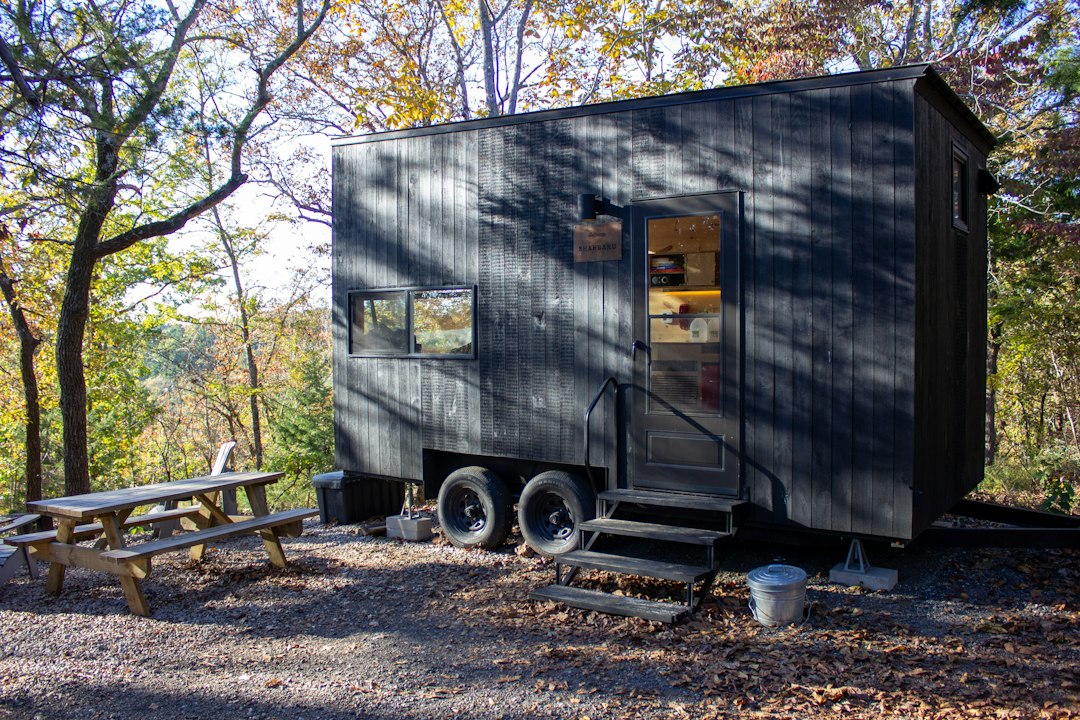
Some parks cap length or ask for a photo of the rig. Others have age limits. If you’re hauling a tiny home on wheels, ask about certification requirements up front.
How often can they happen, and by how much? Silence on this point isn’t a feature.
Our FAQ notes pads are designed for a maximum of two adults and two children, with fair fees for extra people, and that we’re pet-friendly with two off-leash pet parks. Every park has its own version of these rules, so check theirs.

If this is home, you need mail to arrive. Ask how the park handles it. Ours goes through Canada Post addressed to your name and your site.
Is the park actually open and serviced year-round, or do water lines get shut off when the first frost shows up? The Coast is mild, but it’s not Hawaii, and your pipes will have opinions.
What happens to your deposit, how clean does the pad need to be, and what’s the process if either side wants out early? Read this section twice.
A long term RV pad lease in BC should make the important terms clear before you move in. If basic questions about rent, utilities, notice or deposits keep producing vague answers, take a closer look before signing.
Before committing to a long term RV pad lease in BC, read the agreement carefully and ask about anything that is not clear. We’d rather you understand the terms before you arrive than be surprised after moving in.
Browse our year-round RV lots at Halfmoon Bay, see what’s open on our available pads, then submit a request and ask us for a sample agreement. Bring your questions. We’ll bring the coffee.
 See map of resort