


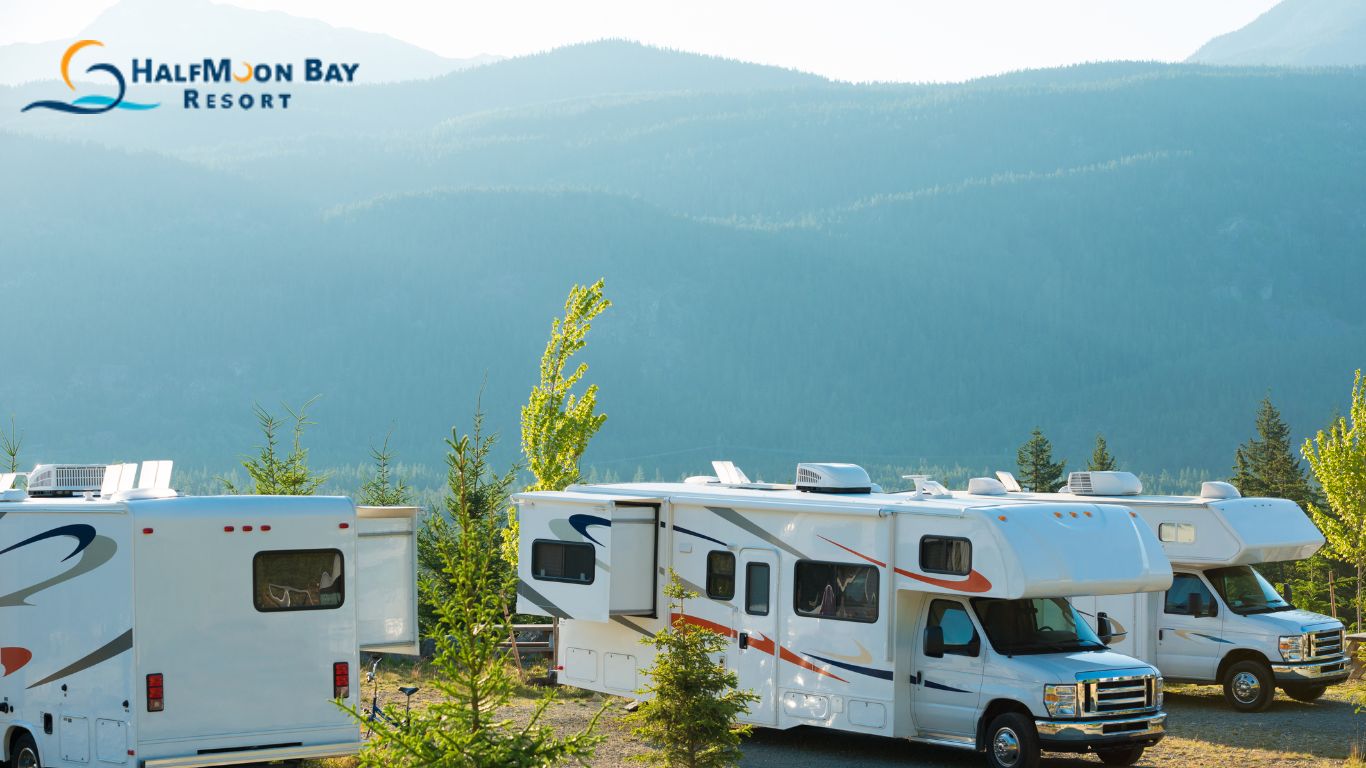
Can I live in my RV? Yep. Plenty of Canadians do it, and not just for the “I’m taking a gap year and finding myself” storyline. For a lot of people in BC, full-time RV life is a real, practical way to live simpler, cut costs, and spend more time outside instead of staring at rent prices like they’re a personal attack.
But here’s the honest bit: the question isn’t only “can I live in my RV?” The real question is, can you live in your RV comfortably, year-round, without getting moved along or feeling like you’re constantly improvising? That depends on three things:
If you’ve ever tried living in a cramped place, you’ll already understand the overlap with living in a tiny home. It’s the same vibe: less space, more intention, and you learn fast what you actually use versus what you just drag around out of habit. The win is that once you dial it in, your day-to-day life can feel calmer and cheaper.
Now, the “resident rv” part is where people get tripped up. Lots of places are happy to host short visits, but not every spot is designed for longer stays. For full time rv living, you want a base that’s built for routine. The kind of place where you can settle in, keep your rig connected, do laundry without driving across town, and not feel like you have to pack up every time the season changes.
That’s why the Sunshine Coast, BC is a popular option for long-stay RV living. It’s got the coastal lifestyle, it’s close enough to services, and it’s calm in a way that makes “home base” actually feel like home.
In this guide, you’ll get clear answers about the legal side in BC, how zoning and resort rules work in real life, what to look for in a year-round RV community, and why a stable base (like Halfmoon Bay RV Resort in Halfmoon Bay, BC) can make full-time living feel normal instead of chaotic.
Next up: the legal and rule side of things in BC, including zoning basics and why different resorts handle long stays differently.
When people ask Can I live in my RV, they usually mean, “Can I do this without getting hassled?” Fair question. In BC, full-time RV living is possible, but it’s not a free-for-all. The rules depend on where you park, what kind of RV setup you have, and what the local regulations allow.
Here’s the key idea: your RV isn’t the legal problem. The location is. A “yes” in one place can be a hard “no” two roads over.
Most of the time, legal requirements come down to three buckets:
So, if you’re serious about full time rv life, you’re not just choosing a view. You’re choosing a ruleset.
This is the part that decides whether your resident rv plan feels stable or feels like you’re always looking over your shoulder.
Zoning is basically a map-based rulebook that says what land can be used for. Some zones allow RV use only for short stays. Others allow longer stays if the property is set up and permitted for it. And some areas don’t allow residential-style RV living at all.
That’s why “I’ll just park on a random piece of land” can turn into a headache, because:
Resort rules matter just as much. Even if a location looks perfect, you need to confirm it’s designed for year-round or long-stay living. A proper long-stay resort will typically be clear about:
This is where a stable community makes a huge difference. If you want living in a tiny home vibes but in an RV, you need the same thing tiny home owners need: a place where longer-term living is expected, supported, and managed.
A practical move is to choose a resort that answers these questions upfront. Halfmoon Bay RV Resort does a good job of laying out common details in its FAQ, which is exactly what you want before committing to longer stays:
https://halfmoonbayresort.ca/faq/
And if you want to understand what kinds of setups exist there, start with the pad options and details here:
https://halfmoonbayresort.ca/properties/
Next up, we’ll talk about how to find a true year-round RV community in BC—the kind of place where Can I live in my RV stops being a question and starts being your normal life.
If your brain keeps coming back to Can I live in my RV, you’re probably not looking for a weekend campground vibe. You’re looking for a place that feels stable. A place where you can stop “travelling” and start living.
Because full time rv life is easy when you’ve got a proper base… and a pain when you don’t.
A true year-round RV community isn’t just a place to park. It’s a place where normal life works. Here’s what to look for so your resident rv plan doesn’t turn into constant moving, constant stress, and constant “where’s the nearest dump station” drama.
First thing: make sure the community actually supports long stays. Some places look perfect online but are really set up for short-term visits only.
A year-round spot should be upfront about:
If everything is vague, that’s usually not a great sign.
Living full-time means you need consistency. It’s hard to build a routine if you’re constantly managing basics.
For full time rv living, prioritise:
This is the same logic as living in a tiny home. The smaller your space, the more you need your setup to be reliable.
You don’t need a resort with a million gimmicks. You need the basics that make day-to-day living smooth:
These aren’t “extras” when your RV is your home. They’re quality-of-life essentials.
This one is hard to measure online, but you can usually feel it fast once you arrive. A good year-round community:
You want a place where you can relax after work, not a place where you’re counting down the days until you can leave.
If you’ve got a dog, your community choice matters a lot. A pet-friendly place with space to walk and clear rules makes your day easier. Without that, you’re basically doing hallway laps… except the hallway is a muddy gravel road.
If you’re building a long-stay plan in Sunshine Coast, BC, Halfmoon Bay RV Resort is the kind of place that fits the year-round community checklist. It’s designed for longer stays, with serviced living and real-life amenities that matter when you’re not “just visiting.” For the details people usually ask first, the FAQ is here:
https://halfmoonbayresort.ca/faq/
And if you want to see the pad options and how the setup works:
https://halfmoonbayresort.ca/properties/
If you’re still asking Can I live in my RV, here’s the shortcut: yes, but it’s way easier when your base is designed for real life, not just weekend stopovers. That’s exactly where Halfmoon Bay RV Resort in Halfmoon Bay, BC shines. It’s built around long-stay comfort, so full time rv living feels normal instead of like a never-ending workaround.
When your RV is your home, stability matters more than “cute views.” A serviced base means less time managing systems and more time living. That’s a big win for anyone planning a resident rv lifestyle on the Sunshine Coast, BC.
Want to see the pad options and what’s included?
https://halfmoonbayresort.ca/properties/
Laundry is one of those things nobody gets excited about… until you don’t have it. A 24-hour laundromat means you can wash clothes on your schedule, not on “whoever has machines available” time. For full time rv living, that’s a serious quality-of-life upgrade.
When you’re living small, a gym can feel like extra space you don’t have to store. The complimentary 24-hour gym makes it easier to keep a routine, stretch out, and feel a bit more human when the weather is doing its damp coastal thing.
If you’ve got a dog, you already know: their happiness becomes your schedule. This resort is pet-friendly and has two off-leash pet parks, which is huge when you’re living in an RV long-term. It turns daily walks from a chore into a normal routine.
More day-to-day details are covered here:
https://halfmoonbayresort.ca/faq/
A lot of people who ask Can I live in my RV are really looking for the same benefits as living in a tiny home: simpler life, lower costs, less clutter, and a calm base. The difference is that RV living can be more flexible, especially when you’re parked somewhere set up for longer stays. You get the small-space lifestyle with fewer permanent commitments.
Halfmoon Bay, BC is the kind of place where you can actually exhale. You’re close enough to towns for essentials, but far enough from the city pace that life slows down in a good way. If your goal is to live somewhere that feels like a getaway even on a random Wednesday, this is the vibe.
Yes, as long as you choose a place that supports long stays and follows local rules. The biggest factor isn’t your RV, it’s the location. A stable, serviced community makes full time rv living feel normal instead of temporary.
Your RV still needs to be properly registered and insured like any other vehicle/rig. Beyond that, the “live full time” part usually comes down to where you’re parked and whether the site rules allow longer stays. If you’re planning to stay put, it’s smart to confirm your coverage fits your real use (especially if you’re treating your RV as your main home).
The day-to-day vibe can be really similar. Living in a tiny home and living in an RV both mean:
The difference is flexibility. An RV can move. A tiny home might be more fixed (and can come with more permanent placement questions). Both can be great if you’ve got the right base.
If you want a resident rv style setup, look for:
It can be, if you prepare for damp, cool weather. Coastal winter is often more wet than extreme, so focus on:
A stable, serviced base makes this much easier.
Because it’s set up for longer stays and real-life routines. Halfmoon Bay RV Resort in Halfmoon Bay, BC offers serviced living plus useful amenities like a 24-hour laundromat, a complimentary 24-hour gym, and pet-friendly space with two off-leash pet parks.
Pad options: https://halfmoonbayresort.ca/properties/
Common questions: https://halfmoonbayresort.ca/faq/
Start simple:
If the Sunshine Coast, BC is your target, a stable base like Halfmoon Bay RV Resort makes step one a lot easier.
So, Can I live in my RV?
Yes. And once you do it the right way, it stops feeling like a bold experiment and starts feeling like… life. Just simpler. Less clutter. Less cleaning. More fresh air. More “I can actually hear myself think” energy.
The people who love full time rv living usually figure out the same thing pretty fast: success isn’t about having the fanciest rig. It’s about having the right base and a routine that works.
Here’s what makes the difference:
If the Sunshine Coast, BC is where you want to land, Halfmoon Bay RV Resort in Halfmoon Bay, BC is a strong option for making the transition feel easy. It’s designed for longer stays and real-life routines, with features that matter when your RV is your home: a 24-hour laundromat, a complimentary 24-hour gym, and pet-friendly space with two off-leash pet parks.
If you want to take the next step:
Because the best answer to Can I live in my RV is the one where you’re warm, dry, settled, and not constantly troubleshooting life.
 See map of resort